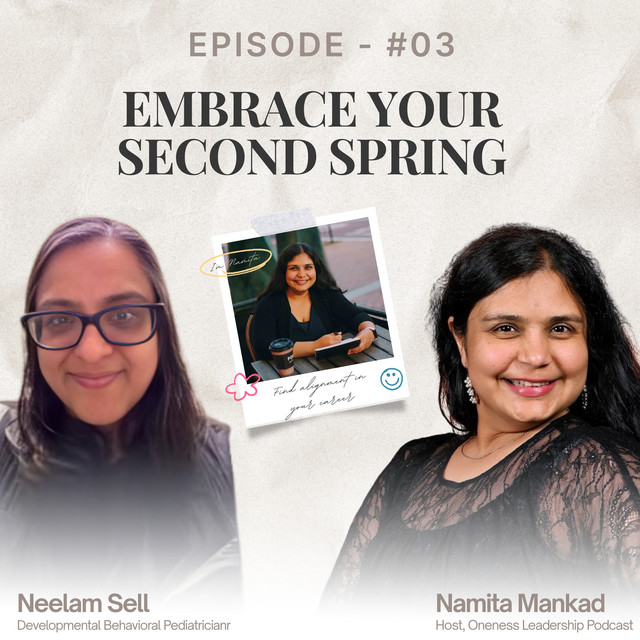
How to Listen to Your Body: Neelam Kharod Sell
Dr. Neelam Kharod Sell on listening to your body in perimenopause, and why midlife is a second spring, not a problem to fix.
January 22, 2026
On this episode of the Oneness Leadership Podcast, Namita Mankad talks with Dr. Neelam Kharod Sell about listening to your body in perimenopause.
Neelam frames perimenopause as a second spring, a time to reflect and grow, and to grow into, not a problem to fix. This phase is a signal, not something to get through: your body is communicating with you, and small, personalized changes, sleep, food, movement, mindfulness, can change how this phase feels.
Listen to the episode
About the host and guest
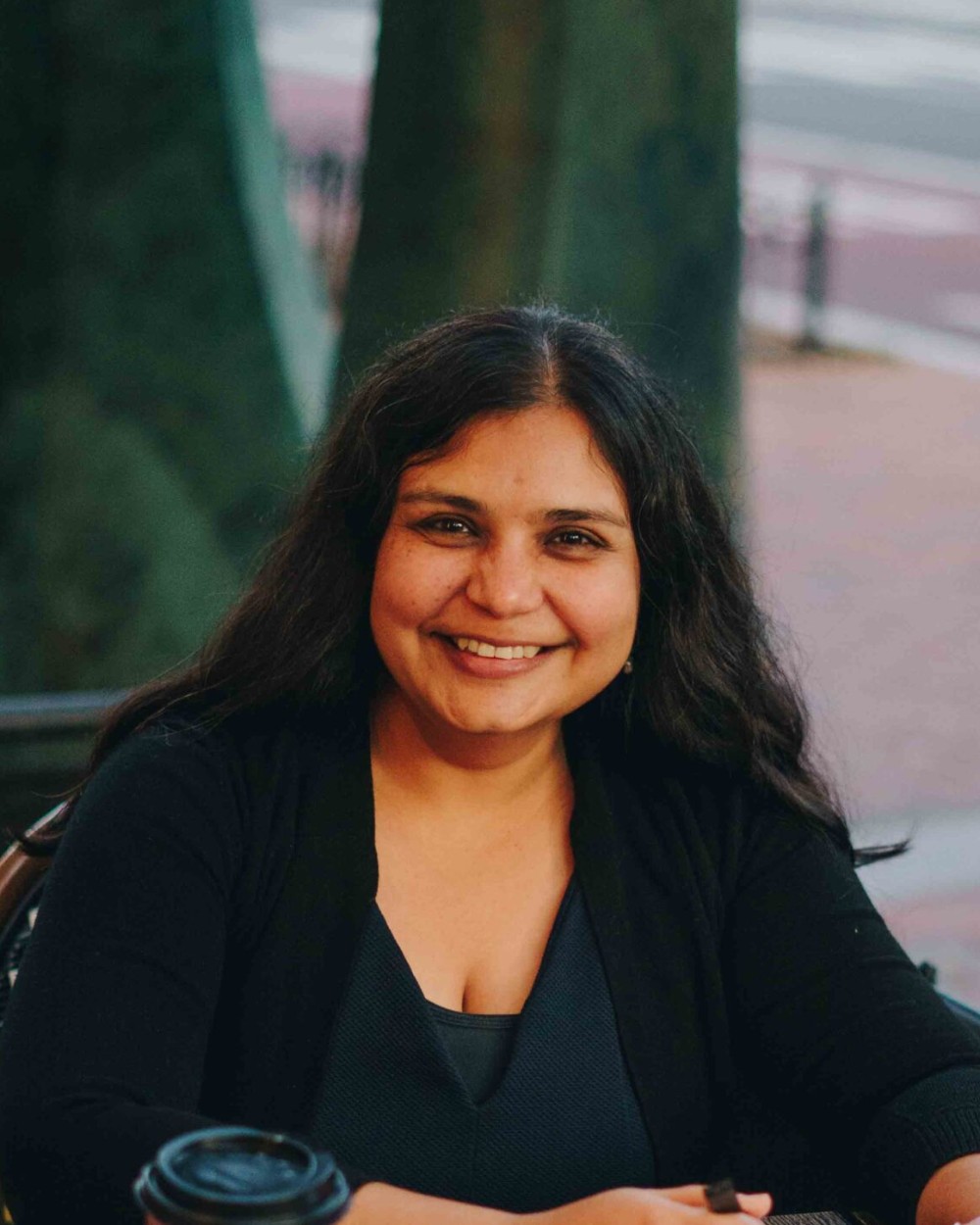
HOST
Namita Mankad
Namita Mankad is an executive and Oneness leadership coach who guides leaders and founders to turn their defining moments into a powerful rise. She hosts The Oneness Leadership Podcast, where inner transformation meets powerful leadership.
She is also building Second Spring Health, a perimenopause wellness app that brings together personalized symptom tracking, ancient wisdom and modern science for women in midlife.
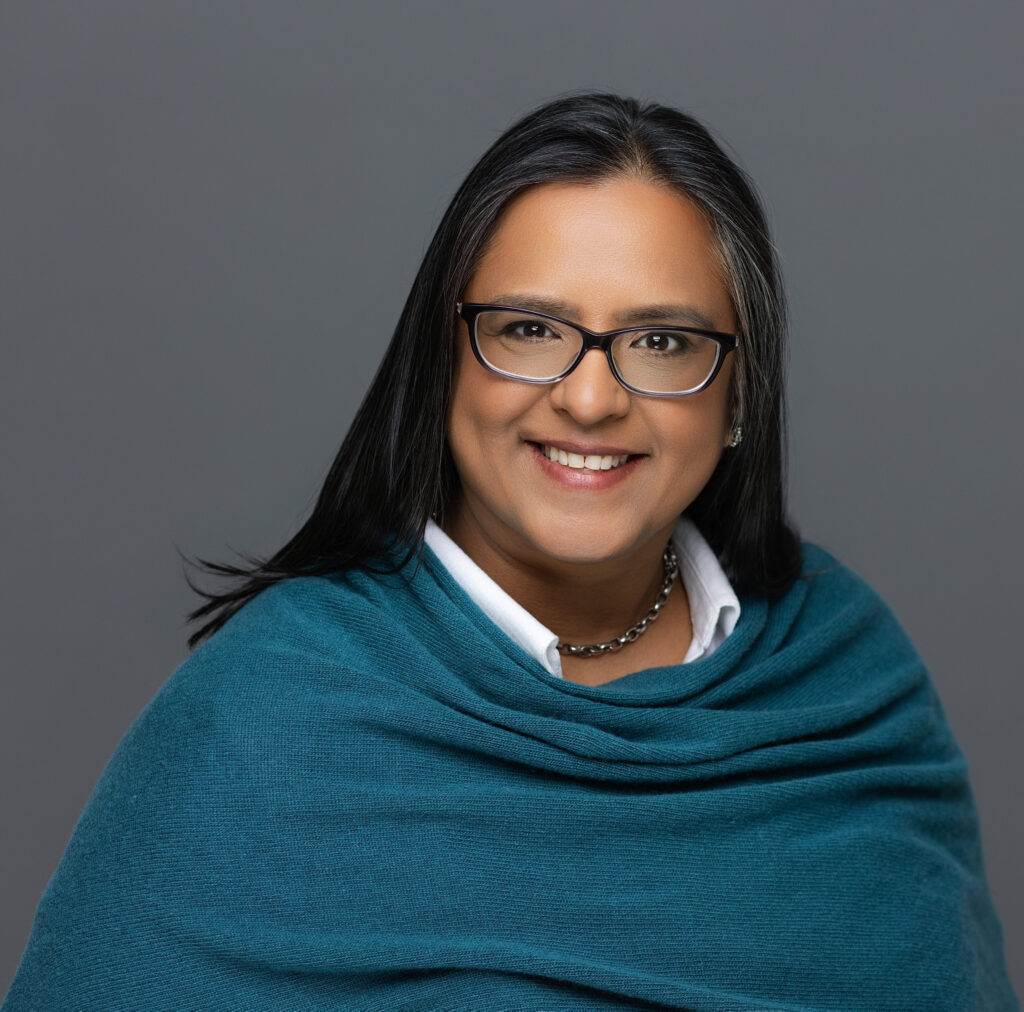
GUEST
Neelam Kharod Sell
Dr. Neelam Kharod Sell is a pediatrician by training and the co-founder and chief medical officer of Second Spring Health. She paused her career to focus on her own wellness as she passed through this stage of life herself.
She now blends ancient wisdom like Ayurveda and Traditional Chinese Medicine with modern science for women in midlife.
Listening to your body: inside the conversation
Meet the co-founder: a pediatrician’s own second spring
What do you wish more women knew about their bodies before they started doubting themselves?
“That their bodies are communicating with them.” Women think of themselves last, for the job, the children, the aging parents, “and our bodies start to talk to us when we do that. And we need to listen.”
“Everything looks normal”: and why you should still advocate for yourself
If a woman has been told “everything looks normal,” what would you want her to hear right now?
A provider saying “normal” is looking at tests and numbers, and “you can still feel bad, and you can still feel off.” That is the time to advocate for yourself: there may be no pathology, “but this is how I feel.”
Listening differently instead of fixing symptoms
How is midlife less about fixing symptoms and more about listening differently?
Your body changes every day; climbing the steps gets a little harder, sleep aches a little. You don’t necessarily need a pill, acknowledge it and ask what could help: stretching, functional movement, food, sleep. “Things that don’t necessarily fix problems, but that can help.”
Grow into it: this phase as a signal, not something to get through
What changes when we stop seeing this phase as something to get through and start seeing it as something to grow into?
She looked at it as a signal: “maybe it’s time to think a little differently, change things up a little bit.” The symptoms can be helpful, “my body’s telling me, hey, do something right now” , ears before a woman might otherwise start.
The questions doctors don’t ask: and the mental load nobody names
What questions are women not being asked in standard medical visits?
How is your energy? How are you sleeping, eating, moving every day, not just the gym, but “how can you get in and out of your tub, without pain?” And mood: “we are not, we don’t have mood swings for no reason. We don’t have hot flashes for no reason.”
What parts of a woman’s daily life are rarely considered, but deeply shape her symptoms?
The mental work: planning for parents, for kids, for the household. “If you ask a woman about their mental load, you will hear a lot, it affects sleep, stress and eating, and nobody ever asks.
Feeling unseen, community, and small lifestyle shifts that change a lot
Why do so many women feel unseen even when they’re doing everything right?
There is no community for it: “I go to the gym, I see other people my age, but we don’t interact, everybody’s got their earbuds on.” Her hope is that the Second Spring Health app gives women “a place to share, and communicate with other people that are going through the same thing.”
What are some subtle lifestyle shifts that can create big changes without adding more pressure?
Sleep first. Then mindfulness in ordinary things: park at the end of the parking lot and walk, take the steps instead of the elevator, put your meal on a nice plate and sit down to eat it. “They’re subtle… but they can really make a big difference.”
Food, herbs and daily rhythms as a conversation with your body
How do food, herbs and daily rhythms become a conversation with the body rather than a set of rules?
She grew up doing it unconsciously: “When you’re cold, you don’t drink ice water. You drink something warm. You make a tea, you put ginger in it, you put cinnamon in it.” An off stomach is a day for rice and yogurt, or soup and toast, “being flexible is as big a part of the lifestyle change as anything.”
Why there is no one-size-fits-all answer for midlife women
Why is there no one-size-fits-all answer for a midlife woman?
“Every body, every ecosystem within the body is unique.” Gut, skin, hair, even within one ethnicity, no two people are the same. A number like 20 grams of protein is “a starting point, but it may not be true for everybody.”
Ancient wisdom and modern science, working together
How do modern science and ancient wisdom work together rather than competing?
“Ancient wisdom is based on data”, a large, well-referenced body of wellness knowledge from other traditions, brought into a form people here are used to: put in a symptom, get a recommendation. And holistic means the whole person: “modern medicine has gone away from being holistic to being very laser focused.”
Her message: your body has not betrayed you
What would you say to the woman who feels like her body has betrayed her?
Your body is going through a journey; “you can’t expect it to be 16, 25, those journeys were different.” Focus on strength and energy, not appearance, and remember her mother’s words: “Don’t look back. Only look forward.”
- 00:00 Intro, welcome to the Oneness Leadership Podcast
- 00:40 Neelam introduces herself
- 01:26 What do you wish more women knew about their bodies?
- 01:57 Told “everything looks normal” but still feels off
- 04:20 Midlife: listening differently, not fixing symptoms
- 06:21 Growing into this phase
- 07:33 Questions doctors do not ask
- 10:33 Why so many women feel unseen
- 12:42 Subtle lifestyle shifts
- 14:11 Food, herbs and daily rhythms
- 16:40 Why there is no one-size-fits-all
- 21:31 Self-directed women, taking agency
- 23:57 Modern science and ancient wisdom together
- 31:27 Your body has not betrayed you
- 34:27 “Neelam, don’t look back. Only look forward.”
- 35:28 The name Second Spring, Pitta to Vata
- 38:29 Final thank-you
1. Meet the co-founder: a pediatrician’s own second spring
Namita Mankad: Everyone, welcome to the Oneness Leadership Podcast. I’m the host, Namita Mankad, and I’m also the co-founder of Second Spring Health.
Today, I’m excited to have my co-founder, Dr. Neelam, as part of this podcast, and I would now pass on to her to introduce herself and give you a little bit more information about Second Spring Health.
Neelam Kharod Sell: Thanks, Namita. I’m Dr. Neelam Sell, and by training I’m a pediatrician.
But I decided to join Namita in this adventure because I’m a woman passing through this stage, and I decided to pause my career and focus on my own wellness. This was the perfect timing to begin this journey, looking into ancient wisdom as a companion to traditional medical care. And I’m excited to be a part of this.
Namita Mankad: Thank you. So I would like to ask you some questions, and we can give knowledge about what Second Spring Health is, in depth, to our listeners.
2. “Everything looks normal”: and why you should still advocate for yourself
Namita Mankad: What do you wish more women knew about their bodies before they started doubting themselves?
Neelam Kharod Sell: I wish women knew that their bodies are communicating with them. They need to pay attention and listen, and not just push themselves to do everything that they need to do to get through their day, whether it’s for their job, for their children, for their aging parents.
Women tend to think of themselves last. And I think that our bodies start to talk to us when we do that. And we need to listen.
Namita Mankad: No, that totally makes sense. If a woman watching or listening to this has been told “everything looks normal,” what would you want her to hear right now?
Neelam Kharod Sell: I think, as a physician, I can understand when the doctor or provider says everything is normal. They’re looking at tests, they’re looking at numbers, they’re looking at different measurements.
Things can be normal in that area, and you can still feel bad, and you can still feel off. And I think that is a time where you need to advocate for yourself and say, yeah, okay, maybe there’s not a pathological issue going on, but this is how I feel.
Women and intuition are a hundred percent correct. How you perceive your body is more important than those numbers. And while there may be no medical problem, there may still be changes going on.
Namita Mankad: Yeah, no, totally. And I can relate to this situation, where my blood test looked normal and I had pain everywhere in my body. And I found my answer through holistic practices.
And that’s one of the reasons that drives me to help many other women, as we discussed. And I think that’s where there’s a little bit of a split. Western medicine is really good at certain things. But the ancient wisdom, or non-traditional medicine, can also be available when Western medicine doesn’t address a problem.
Neelam Kharod Sell: Yeah, totally makes sense.
3. Listening differently instead of fixing symptoms
Namita Mankad: Okay, so moving on to the next question. How is midlife less about fixing symptoms and more about listening differently?
Neelam Kharod Sell: So I think, with midlife, again, you may not have a pathology, right? But it may be a little harder to go up the steps. Your body may hurt a little bit when you lay down to sleep at night.
And you don’t necessarily need to take a pill for that. But you need to acknowledge it and say, maybe there is something I could be doing to help myself a little bit.
My body is changing, every day that goes by, your body changes, and could it be that I need to listen to these symptoms, and say, maybe I need to do a little stretching? Maybe I need to do a little more functional movement? Maybe I need to think about what I’m putting in my mouth, and my diet?
Is there anything that could help me that I could include in my diet or day, whether it’s sleep, or taking a vitamin? There are different things that don’t necessarily fix problems, but that can help.
Namita Mankad: Yeah, no, that totally makes sense. And the other day, when I mentioned to you how tired and a little low I was feeling, you mentioned to me that I should take ashwagandha. I started taking it, and it really helped me.
And that’s not like I need to take it every day, but those little care and personalized insights that I can get from you, and we are proud that this app is, invaluable..
Neelam Kharod Sell: I think I use it myself too. Like, some days where I feel a little sluggish, I first think: did I drink enough water today? Let me go drink some water.
Then I’m like, let me go and get some fresh air and sunlight, I have been inside all day. And just even those little things can make a difference.
I didn’t need a cup of coffee, or a stimulant. I needed just to think about those things that I could do that were natural.
Namita Mankad: No, that’s helpful. Thank you.
4. Grow into it: this phase as a signal, not something to get through
Namita Mankad: What changes when we stop seeing this phase as something to get through, and start seeing it as something to grow into?
Neelam Kharod Sell: Yeah. So I think I personally looked at it this way, as a signal of, maybe it’s time to think a little differently, change things up a little bit. It’s not just, oh, I have to just get through to the next phase of my age or health.
Maybe it’s a really good time to get these messages from our body, to say, let’s focus on diet, let’s focus on wellness, before I’m 70 years old, I will start now. My body’s telling me, hey, do something right now. And I think that if you look at it that way, the perimenopausal symptoms and signals can be really helpful.
Namita Mankad: Yeah, it leads to your body’s wisdom. And when I was doing some customer discovery interviews, many women thought that once it’s done, but honestly, this is starting to listen to your body differently, and more. The more you listen to yourself, you can have better longevity.
Neelam Kharod Sell: Exactly.
5. The questions doctors don’t ask: and the mental load nobody names
Namita Mankad: So in your experience, what questions are women not being asked in standard medical visits?
Neelam Kharod Sell: I think: how is your energy? Do you feel any of these changes coming on? It doesn’t magically hit when you hit a certain age; it’s different for everyone.
I noticed that I wasn’t as strong as I used to be, I had lost some muscle mass, and I was like, oh no, I can’t, I have a lot of things I need to do every day, I can’t lose muscle. So that motivated me to talk to my doctor and say, what can I do?
And I think doctors need to ask more about it: sleep, diet, your movement every day, not just whether you hit the gym, but how are you moving every day? How can you get in and out of your tub, without pain?
I think doctors need to ask more about, not just hot flashes, but just generally, are you moodier than usual? People think, oh, women are expected to have things like that happen. We don’t have mood swings for no reason. We don’t have hot flashes for no reason. Doctors need to be asking more about these subtle changes.
Namita Mankad: No, that definitely makes sense. And one thing I would say is, I sometimes miss that, even though I was working with very good doctors, and they paid enough time and attention in my experience, these questions I was being asked more when I visited holistic practitioners, like acupuncturists.
And that really helped me. So thank you for sharing this. What parts of a woman’s daily life are rarely considered, but deeply shape her symptoms?
Neelam Kharod Sell: I think one of the things that is rarely considered, for women in general, is all of the mental work you do every day. Whether it’s thinking about your parents and planning things for them, whether it’s for your kids, whether it’s for your household.
I think we carry a load of that mental work, and I think that constrains us a little bit when we have to do things for our own wellness. If you ask a woman about their mental load, you will hear a lot. You will hear a lot more than women. They don’t expect to be ever asked about it, and so no one ever talks about it.
And the mental, it affects everything, right? It affects your sleep, it affects your stress, it affects your eating.
Some people eat because of it. It affects a lot of things.
Namita Mankad: Emotionally, that, because they are somewhere feeling empty, I would guess, and they try to fill that void with food or something else. No, that totally makes sense.
6. Feeling unseen, community, and small lifestyle shifts that change a lot
Namita Mankad: Let me go to my next question. Why do you think so many women feel unseen, even when they’re doing everything right?
Neelam Kharod Sell: I think having a community of people going through a similar situation is where we’re not at that point, right? I go to the gym, I see other people my age, but we don’t interact, everybody’s got their earbuds on.
And I think having some way to communicate, to talk about it, is where it would help people to be seen. And I’m hoping that with our wellness app, it’ll give people a place to share and communicate with other people that are going through the same thing.
Namita Mankad: No, definitely. That’s something we want to have: community building. Yeah, I totally can resonate.
Because when I was talking to many women during customer discovery, I saw that they post on social media frequently, but that is still not a one-on-one connection where someone is there to support you. Some of them found that through their friends group. But mostly, the gap I saw is that as much as partners want to support, they don’t understand.
So I think raising awareness overall could also help the entire family, because this is not just affecting women, it’s affecting partners, it’s affecting kids. And what I am reading and getting during my customer discovery a lot is that many times, divorces happen during this time just because there is a lack of understanding and support, not out of love.
And like I was saying, women can have mood changes, and sleep patterns change. It makes you irritable, and it’s not because you suddenly changed as a person, right? You just need some understanding that your body is changing.
So, totally. Okay. So about lifestyle: what are some subtle lifestyle shifts that can create big changes without adding more pressure?
Neelam Kharod Sell: I think sleep can be huge. I think people are not sleeping enough, or the quality of their sleep is not as good. People are staying up on their phones, or on their social media.
I think that’s a huge one. I think focusing on mindfulness in general, mindfulness when you’re eating, mindfulness when you’re exercising, and not just exercising to hit a number every day, but exercising for your function.
Taking the steps, parking at the end of the parking lot and walking, those kinds of things can really be a little small, but they can really make a big difference. They’re subtle. You don’t have to think about it.
You don’t have to go anywhere. You don’t have to plan anything. Instead of standing around the kitchen and eating, you can put it on a nice plate, sit down and eat your meal.
You can say, I’m going to take five extra minutes and walk up the steps instead of taking the elevator. Those are the kinds of things I think can make a big difference.
Namita Mankad: That makes sense. Small habits.
7. Food, herbs and daily rhythms as a conversation with your body
Namita Mankad: How do food, herbs and daily rhythms become a conversation with the body, rather than a set of rules?
Neelam Kharod Sell: Yeah, so I do this unconsciously now, because I grew up doing it. When you’re cold, you don’t drink ice water. You drink something warm. You make a tea, you put ginger in it, you put cinnamon in it.
These things are warming. For me, these are just part of how I operate, but I think for a lot of people, they don’t know this. That’s some of the things we hope to share, I think, with Second Spring Health: how you listen to your body, and then you put something in it that addresses it.
When your stomach is feeling a little off, maybe don’t have a sushi dinner, that’s the day to have some rice, some yogurt, some easy food. If you don’t like ethnic food, then that’s the day to have some soup and toast, right? You have to really pay attention to your body.
You don’t just do whatever you were going to do anyway, without listening to your body. I think that’s where herbs, diet and lifestyle have to be a conversation. You can’t just say, oh, this is my menu for the week — and then you have a headache, and you’re like, maybe I shouldn’t eat that. Being flexible is as big a part of the lifestyle change as anything.
Namita Mankad: Yeah, no, that makes sense. I learned, as I started paying more attention, that some of the acidic fruits I cannot eat after late afternoon, but I can eat them in the morning. So really, timing mattered to, and , I would back that up.
One of the things I was made aware of by my acupuncturist is that I cannot digest raw onion well. Those are the things I learned because I started being close to ancient wisdom, and they reminded me to listen to my body. And I understand that it’s not like I’m unique, every day is unique. There is no set of truths, and what was the truth in your twenties may not be the truth now, right?
Neelam Kharod Sell: Yeah. Absolutely. Thank you.
8. Why there is no one-size-fits-all answer for midlife women
Namita Mankad: Okay, so now I’m going a little bit into personalization, because our app focuses on personalization. Why is there no one-size-fits-all answer for a midlife woman?
Neelam Kharod Sell: I think it’s as simple as: every woman is different. While there may be categories that can be similar for women, it really is, every body, every ecosystem within the body, is unique. That’s why one size fits all doesn’t work, and that’s why just a single prescription doesn’t work.
It has to be tailored to you. Your gut is different, your skin is different, your hair is different. And even within one ethnicity, there are differences, right?
There are no two people that are the same, if they aren’t twins. So I think that’s why the one-size-fits-all approach hasn’t worked. Saying, oh, you need to eat 20 grams of protein a day — okay, that’s a starting point, but it may not be true for everybody.
Some people may need a little bit less, some people may need a little bit more. And I think that’s where personalization is so important.
Namita Mankad: Yeah, no, I can totally relate to that. And I think, some days your body is good and some days it’s not; some seasons as well. And I know that all of this is backed up by, again, ancient wisdom.
Neelam Kharod Sell: Yeah. Just think: in the summer, the things that you crave, your body craves. You don’t want to touch them in the winter.
If you put a watermelon in front of me right now, I would not want to eat it at all. But in the summer, that’s all I eat.
Namita Mankad: Yeah. It totally makes sense. I know we are focusing on personalization based on ancient wisdom. How do personalized insights change the way a woman relates to her symptoms?
Because I know they are logging symptoms, they’re logging their lifestyle, and now we give them personalized insights.
Neelam Kharod Sell: So I think it makes it more relevant to the woman. For me, it would make it where I felt like, again, number one, I was being seen and heard: okay, this is addressing my symptoms, not just a rote set of recommendations that you would see on Instagram or any of the other social media sites. It really is tailored to what I put in.
If I’m having more trouble with sleep than I am with my digestion, then I don’t want to get a bunch of recommendations for diet. I think that’s where being seen and heard is going to be valued — that it’s addressing the problems that each unique woman is putting in, by logging her symptoms and saying, oh, this is a little area where you could use a boost.
And maybe they didn’t even recognize that was an area that could be improved. But by logging their symptoms and getting the personalization, it might give you a new insight, and a new recommendation, like: oh, I never thought about that, maybe I needd to drink more water. I thought I was drinking plenty, but here’s the data, and here’s the recommendation, and here’s what my body is telling me.
Namita Mankad: That totally makes sense. And you mentioned social media, I think there is overwhelming confusion going on now. I’m not saying there are not some good doctors or practitioners who have some good videos.
One of the things I noticed, as I started getting a little deeper in understanding my body, is that the advice is still generic, because they’re targeting thousands of users, social media users and viewers. One example I want to share: a legitimate doctor shares about Kapha, Vata and Pitta, the three body types in Ayurveda.
But my body is a mix of two. And that’s, again, very unique. Social media cannot answer that and give that straight information.
Neelam Kharod Sell: Only people can. Or if your mind is Vata and your body is Kapha, yeah, there’s a battle going on all the time.
Namita Mankad: Exactly. At least, social media videos and information are not there yet.
Neelam Kharod Sell: Yeah. Like you said, it’s very generic. It’s as if you’re addressing a textbook, almost, where you’re giving some basic information.
That’s where I think it doesn’t work. Because if you really want, it is all about personalization, and making specific recommendations.
And I agree, social media, if people think that’s all there is, then it’s good that hopefully we’ll be giving a different approach.
Namita Mankad: Yeah, no, that totally makes sense. Okay.
So now, I know we discussed self-directed women when they’ll use this app, and you came up with that idea. What do you see shift when a woman understands her own patterns, instead of comparing herself to others?
Neelam Kharod Sell: Yeah, I think that part of it is taking the action into your own hands, where you are taking the lead, and being intentional about it. Getting a list of things to do from someone else never works.
No one follows it, no one follows through, and it never really makes any big change. But if you take agency and you say, I really feel like I want to do something different, and participate in your own wellness, I think you’re more likely to benefit from it.
It shows where you are mentally: that you’re ready to be a more active leader in your wellness, and not just sit and listen to your doctor tell you, oh, you should do this, oh, you should do that, or your mother, or your auntie, or your friend. You are the one who is saying: I’m going to do something now.
Namita Mankad: Yeah, and I think you brought a very good point. Women are somehow prone to listen to everyone, and people are ready to give advice, so I think that creates only more confusion. But this app helps them to take their power back.
Neelam Kharod Sell: And it’s advice based on what you put in. No one else is adjusting it to their reality. This is very much: you are putting in your concerns, and you’re getting some data-driven, objective, but personalized recommendations.
Namita Mankad: Yeah. It’s like we are giving you enough data now, so that you can trust your intuition.
Neelam Kharod Sell: Yeah. It’s just not your imagination.
Namita Mankad: Yes. You thought it — an, t’s not the end. It’s not like, this is it, and this is all you do.
You can take that — if you say, this didn’t work for me, but this did, that’s great. You can take a more active role. It’s not like you have to follow instructions; it’s a dialogue. If something didn’t work, then the next time, we know that for the next time.
Neelam Kharod Sell: Yeah. Exactly.
9. Ancient wisdom and modern science, working together
Namita Mankad: So I think this is very important, because there are streams, and everyone is an expert — that’s how the world is seeing it. But we are combining both modern science and ancient wisdom. So how do you see modern science and ancient wisdom working together, rather than competing?
Neelam Kharod Sell: I think it’s important for everyone to know that ancient wisdom is based on data. We’re not relying on anecdotes, stories. We are pulling data from different modes of non-traditional medicine, and using that to create these recommendations.
Modern medicine is based on data and evidence, so that’s where we are going to be similar. But we’re not overly focused on finding a pathology, like modern medicine. We are just focusing on treatment — treatment in the sense of: what are things you can do to help alleviate symptoms, help address concerns?
And that’s where I feel like this comes together. This is using what’s typically referred to in modern medicine as non-traditional medicine, which has its own large and well-referenced data in other cultures. And then we’re bringing it over into this culture, where we’re going to format it in a way that people are used to — where you put in a symptom and you get a recommendation. I think that’s how we’re making it: we’re taking this large pool of information on wellness from other traditions, and putting it in a way — using data and evidence — that people are used to using.
Namita Mankad: Yeah, that makes sense. And one of the things it reminded me of, when you said about this medicine — I would say one thing I want to clarify: the difference, in the sense that modern medicine is many times about taking pills or medications.
And when people try to think of alternate medications, they think in terms of supplements. But I think how we are approaching this is herbs, lifestyle, food, sleep.
So we are seeing a person as a whole, because that’s actually what ancient wisdom, or alternate medicines, are — not just supplements.
Neelam Kharod Sell: No, completely agreed. And I guess I didn’t specifically say that, but we’re not looking to give you a pill.
Or sell you anything, to quickly fix — because there is no quick fix. And I think the ancient wisdom is, like you said: it’s you as a whole — from your stress level, to your sleep, to the diet that you put in your body, to the activity that your body does. Everything works together.
Looking at it from that direction.
Namita Mankad: Agreed. I completely agree. And that’s why I guess the word holistic comes in, right?
All medicine should be holistic, but it’s not. Modern medicine has gone away from being holistic, to being very laser focused.
If your neck hurts, the doctor only looks at your neck — they don’t think, oh, maybe this person also has a back problem, right? This takes it a step away — like you said, using that ancient wisdom of: you’re a whole person, and every part interacts with each other.
Neelam Kharod Sell: Yeah, absolutely.
Namita Mankad: And again, I can give my example. When I went to an acupuncturist almost two and a half years ago, I had joint pain, and she started treating my liver — which would not make sense to me initially, but it did.
And now I go to her and I talk to her about my perimenopause stage. She sometimes treats the kidney meridian, which is very much related to your whole body, instead of just focusing on one symptom. So I could see, and benefit from, this holistic approach myself.
Neelam Kharod Sell: And I think people forget that part of what the holistic providers do is provide some different things than a Western doctor does. Like a massage therapist: the very act of touching skin activates parts of our brain, not just relieves that muscle pain — and that can be very powerful.
And I think people forget that. There’s different parts to everything, and the fact that it’s not a pill doesn’t mean that it’s not helpful.
Neelam Kharod Sell: And I think that’s where I feel like women the message is so important. It’s like all of this is it’s all linked and it’s all important. And that is where I think that our message can be valuable.
Namita Mankad: No, that’s true. Thanks a lot for saying that. Okay.
What message would you like to give to women through Second Spring Health? If we have one message that we want to give today, what would that be?
Neelam Kharod Sell: I think the message — if I was logged on and using it — I would like to know is that these small changes, and the act of participating in the Second Spring, is already going to be making a difference.
Starting down the path of working on my own wellness, and looking at myself not as just, my hormones are off, or my hair is thinning, but looking at myself in a different way, as a big picture — even while logging specific symptoms. It’s looking at myself as a whole person, and everything is related and linked. I think that’s where our message can be valuable.
Namita Mankad: Yeah, no, that totally makes sense. And I think, talking from my experience, I’m pretty sure women would feel like, oh geez, why did I gain two pounds?
And I’m pretty sure those ups and downs would happen. But ultimately, it’s about your long-term health — that’s what we are giving. And again, wellness, right?
Wellness is a word people throw around, but it’s about the good feelings too — the good things that happen. Not always focusing on the negative things that happen in this stage either. There are a lot of good things about this stage in life. And focusing on that wellness — a lot of us are finally in a position where we can — like myself — finally take some time and focus on our own wellness. And isn’t that a good thing, right?
Neelam Kharod Sell: Yeah. I think, using that word wellness and really knowing what it means, and not focusing on illness.
I think that’s very positive — meaning that you are giving — because you’re right, generally people are like, what’s wrong with me? And here I see all this wrong. But sometimes you want to take the pause and applaud us for our good habits, the little timing that we have that we did not have before.
Namita Mankad: Yep.
10. Her message: your body has not betrayed you
Namita Mankad: Okay. So I think we are almost at the closing of the podcast. Let me ask you some of the closing questions.
What would you say to the woman who feels like her body has betrayed her?
Neelam Kharod Sell: Yeah — I see it all around me. I guess my body never — I never gave it too much credit anyway. But I think aging and changing is harder for women.
We are expected to be youthful and beautiful and fit and firm — who can do that, right? For women too: not to think your body betrayed you, but that your body is going through a journey.
You can’t expect it to be 16, 25 — those journeys were different, and now it’s maybe looking at it like: this is to be expected. And while you can work to be well and be healthy, there are some things that just don’t reverse — and chasing that is not healthy, again, to focus on.
Focus on strength, focus on energy, and not focus on the appearance that maybe you once had. I think that maybe, too, it’s a bit of a mindset change. Everybody looked good when they were 20, right? Looking back, I’m like, why did I ever complain about anything? But maybe looking at it more as a journey that you’re going on — and aren’t we lucky to be here, and going through the journey?
Namita Mankad: Yeah, it’s a stage of life, as you say. It’s just what everyone goes through. Men go their different ways.
So there is nothing to feel that, oh, I’m a woman and I’m cursed — and those are the words I read, and I felt really sad. I think when you can accept this journey, then it’s really beautiful.
And I think part of it is that society puts a lot of pressure on women to always look good, to always fit in the same clothes and be fashionable. I think it starts with the little girls, even — and even now, it takes a real mindset change to break away from that.
Neelam Kharod Sell: Yeah, I think women have molded their identity with that.
Namita Mankad: Sometimes also — one of the things I did not ask you yet, but I heard from many women — they are making peace with themselves. Even though they never wanted kids, they will never have kids.
That’s the mindset I see, and the regret they still feel — I think that’s all happening because they think about their identity as a woman, to give birth. And some of them were lucky, had healthy kids, and some of them just never had one.
But I think when you again accept that this was your life journey, and you lived it well, I think that’s something you can make peace with at this stage as well. If you’d like to have some thought — I’m pretty sure you have heard that from other women as well.
Neelam Kharod Sell: Yeah. And I think my mom started to say something when she was nearing the last years that we had her. She said, “Neelam, don’t look back. Only look forward.”
And I was like, that’s really smart. Because as you get older, you do feel like looking back, and maybe that’s not a good idea. Maybe that’s not necessary, right?
Maybe we all need to just turn and look forward, and not worry about what was behind us. I think that’s the similar mindset that I applied to my physical health: whatever choices I made before, let me make better choices now. Let me look forward to it.
Namita Mankad: Yeah, no, that’s a really deep message. Thank you for sharing. And I think that’s what Second Spring is: we chose this name because this is really like the second spring for women.
They are now rising in their wisdom. If you look according to Ayurveda, it’s like rising from your Pitta to Vata stage, which is like more air ascending. And the same thing in TCM, Traditional Chinese Medicine: you are rising into your second spring.
So this is something we want to welcome, with this positive energy and mindset, and that’s why we are working together on this app — to help not only with women’s health, but for a broader reason. We are actually helping this earth to have more peace, because women’s health affects kids, women’s health affects the work environment, partners. Women’s health affects everyone. And when we work on having one thing right, other things will also fall in place.
Neelam Kharod Sell: Yeah. And I like the name Second Spring for that reason. I think it is the time to reflect and grow.
And again, maybe you didn’t do things perfectly before — and this is a new opportunity, right? A new time to develop yourself.
Namita Mankad: Okay. Yeah, no.
So thank you for joining me. We have a LinkedIn presence. We also have a Second Spring Health — secondspringhealth.ai — website that people can follow. I also send out a newsletter.
Everything is approved by Dr. Neelam, because we send out everything research- and evidence-based only. But we send out some of the tips — sometimes we have recipes, sometimes we have the latest news. In fact, one just went out today.
We would like you to follow us and join us. We both are on LinkedIn. I am also on Instagram. Please stay in touch.
Perimenopause and midlife women are definitely our first audience. It doesn’t mean we are not helping other women to be proactive. Women who have passed the perimenopause stage and are in menopause can also benefit.
And Neelam, would you like to have any closing sentences for our audience?
Neelam Kharod Sell: Yeah. I think Second Spring is targeting women that are going through these changes of perimenopause and midlife, but I think the benefits are for any woman — and any person, really.
Incorporating this wellness mindset is going to be so important, that people who are trying to improve their health, where Western medicine maybe isn’t filling all of the needs, can really — it can be a very good way to find other things that you can do to work on your wellness.
Namita Mankad: Thank you. Thank you for your time, and I am looking forward to getting feedback from our listeners and viewers.
So please message me on LinkedIn, or join our newsletter on the website. You can reach out to me in multiple ways — not that hard. I’m looking forward to getting your feedback. Thank you, everyone, for joining us.
Episode Overview
On this episode of the Oneness Leadership Podcast, Namita Mankad sits down with her co-founder, Dr. Neelam Kharod Sell. A pediatrician by training, Neelam paused her career to focus on her own wellness as she passed through this stage of life , and joined Namita to build Second Spring Health, blending ancient wisdom like Ayurveda and Traditional Chinese Medicine with modern science for women in midlife.
Together they talk about what it means when your body is communicating with you, why “everything looks normal” is not the end of the conversation, and how small, personalized changes, sleep, food, movement, mindfulness, can change how this phase feels. The show is also known as the Oneness Leadership Podcast.
About the Guest
Dr. Neelam Kharod Sell is a pediatrician by training and the co-founder and CMO of Second Spring Health, which she is building with her cousin, host Namita Mankad. Passing through perimenopause herself, she paused her career to focus on her own wellness, and brought her physician’s eye to a different question: what happens when ancient wisdom, Ayurveda and Traditional Chinese Medicine, is used as a companion to traditional medical care. At Second Spring Health she shapes the personalized, evidence-based guidance the company sends to women in midlife, and her message throughout this conversation is a doctor’s one: listen to your body, take an active role in your own wellness, and look forward.
Connect with Neelam
- LinkedIn: Neelam Kharod Sell
- Website: secondspringhealth.ai
Key Takeaways
- Your body is communicating with you. Women put themselves , job, children, aging , “and our bodies start to talk to us when we do that. And we need to listen.”
- “Normal” labs are not the whole story. Tests can be normal while you still feel off. “How you perceive your body is more important than those numbers” “— adv”, ocate for yourself.
- Midlife is something to grow into. The perimenopausal signals can be helpful: a prompt to focus on diet, movement and wellness now, not a phase to simply get through.
- Ask about the mental load. The daily mental work women carry — parents, kids, household — shapes sleep, stress and eating, and is almost never asked about in a standard visit.
- No one-size-fits-all. Every body is its own ecosystem. Personalized insight, based on a woman’s own logged symptoms, beats generic social-media advice.
- Look forward, not back. Her mother’s closing-years wisdom: “Don’t look back. Only look forward.” Focus on strength and energy, not on the appearance you once had.
In Neelam’s Words
“I wish women knew that their bodies are communicating with them. They need to pay attention and listen and not just push themselves to do everything that they need to do to get through their day.” — Neelam Kharod Sell, on listening to your body
“Women and intuition are a hundred percent correct. Your body — how you perceive your body — is more important than those numbers.” — on “normal” test results
“We don’t have mood swings for no reason. We don’t have hot flashes for no reason.” — on the questions doctors should ask
“If you ask a woman about their mental load, you will hear a lot. You will hear a lot more than women — they don’t expect to be ever asked about it.” — on the invisible load
“She said, Neelam, don’t look back. Only look forward.” — her mother’s words, on aging and change
Links and resources
- Second Spring Health
- Neelam’s YouTube Short “Your Body Is Talking to You — Listen”
- Second Spring Health YouTube channel
For investors: about Second Spring Health
Your host, Namita Mankad, is building Second Spring Health, a perimenopause wellness app that brings together personalized symptom tracking, ancient wisdom and modern science for women in midlife. If you invest in women’s health, we would like to hear from you.