Female Founder Fundraising: Lead with Value
Venture investor Naseem Sayani on why female founders win by leading with value, and how to describe a women’s health company to investors.
August 4, 2026
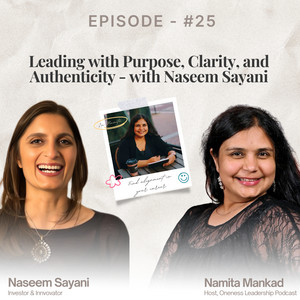
On this episode of the Oneness Leadership Podcast, Namita Mankad talks with venture investor Naseem Sayani about how women raise capital.
They get practical about fundraising for women’s health companies: why leading with value wins investors, how to describe a women’s health company to the people holding the capital, and what changes when more women control the checkbook.
Listen to the episode
About the host and guest
HOST
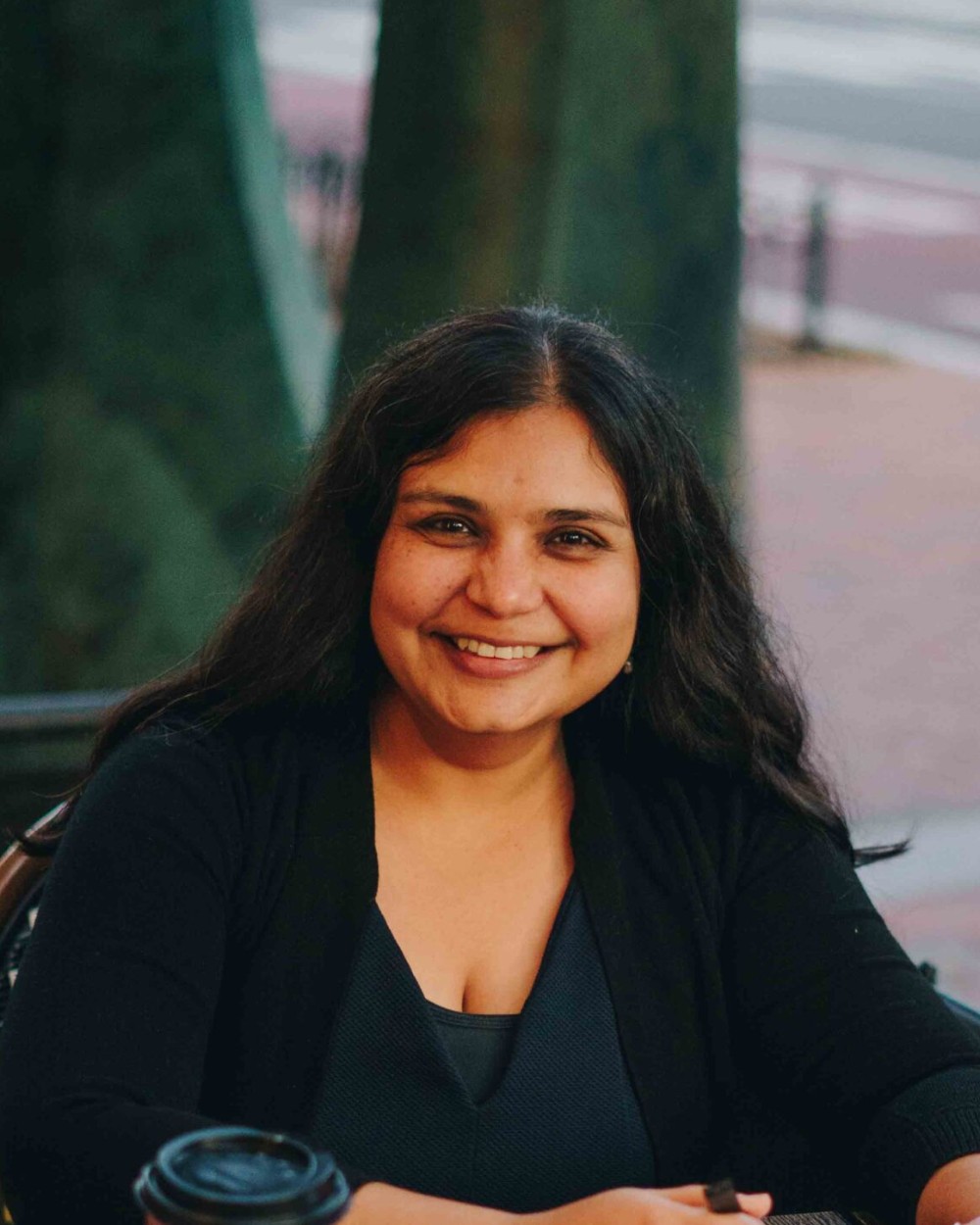
Namita Mankad
Namita Mankad is an executive and Oneness leadership coach who guides leaders and founders to turn their defining moments into a powerful rise. She hosts The Oneness Leadership Podcast, where inner transformation meets powerful leadership.
She is also building Second Spring Health, a perimenopause wellness app that brings together personalized symptom tracking, ancient wisdom and modern science for women in midlife.
GUEST
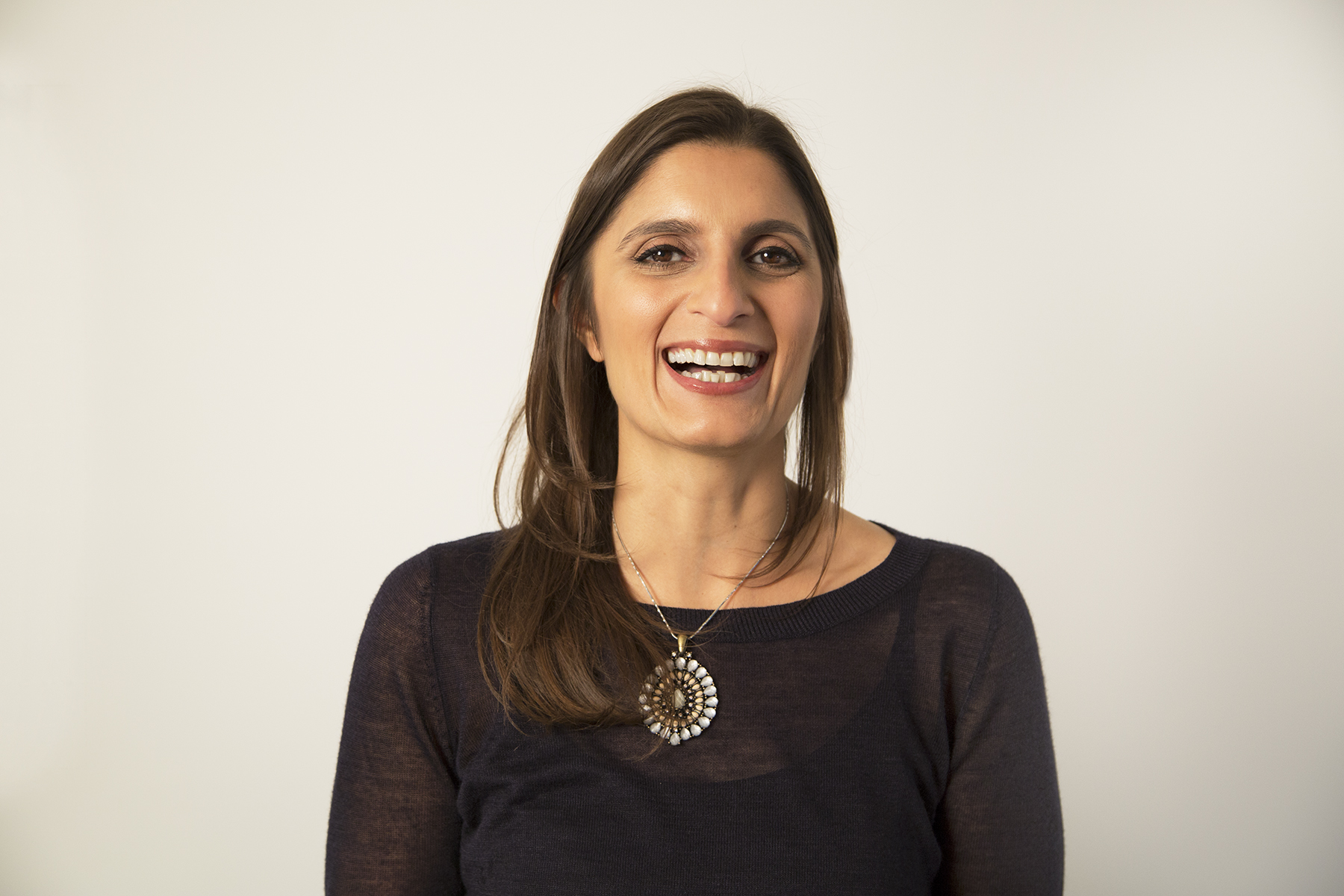
Naseem Sayani
Naseem Sayani is a venture investor and ecosystem builder. She is director of the Innovators Circle at WAM, venture partner at Zero Limit Capital and the Sparrow Fund, and an advisor at Tower Capital, with more than twenty years of experience in venture capital, business building and digital strategy.
She hosts The Capital Flex Podcast, which shares the fundraising stories of female founders, and leads the Founders Coven, a monthly virtual meetup for female founders.
When we start with pain, unless the person you’re talking to has experienced that pain, you’re losing them on page two.
Female founder fundraising: inside the conversation
Why Naseem moved into venture capital
Why did Naseem leave consulting for venture capital?
After two decades in strategy consulting, she built startups inside her firm and watched well-funded, mostly male-led teams sit next to brilliant women founders who were scraping for capital. The one thing she was not doing was moving significant capital, so she left her partner role to focus on women founders. She says she is doing it for returns as well as for the good of it, because the market is underfunded.
Are women-led companies a riskier bet?
In her experience, no. She says female-founded teams manage cash more carefully, run healthier burn rates, and exit one to two years sooner than male-led peers. What holds them back, she says, is stigma, bias and pattern recognition built over decades around one kind of founder.
How female founders can raise capital
Why is it so hard for female founders to raise capital?
She names three hurdles: pattern recognition that favors the familiar profile, networks where female founders and funders sit in separate rooms from male founders and funders, and the way many women tell their story.
How do women win investors in a pitch?
Investors expect the money case first, so she encourages founders to open with the size of the market and the value they create. Getting there quickly is what keeps a pitch moving.
Where should a founder’s personal story go?
After the value case. She says to place it in founder-market fit: your story explains why you understand the problem better than anyone and will outwork everyone to solve it. An investor writes the check because you are the best founder to build it.
Women’s health and investors
Why do women’s health founders have to explain their category first?
Namita describes pausing mid-pitch to explain perimenopause. Naseem calls it an education and awareness gap: many investors have not lived the condition. Her answer is to make the value clear first, with market size, spend and growth, so the symptoms need less explaining.
What does a reframed women’s health pitch sound like?
Her example is a menopause company. Instead of describing symptoms and a very large category, say that half the population goes through menopause for about 40% of their lives, spends roughly $200 a month on support, and that a personalized, integrated platform with efficient customer acquisition could exit in five to six years. It is the same company, pitched without naming a symptom or saying “woman” once.
How should founders talk about women’s health to investors?
She advises naming the specific condition and market, such as cardiovascular disease, where women are the largest group, rather than defending “women’s health” as one horizontal niche. She cites a report called “Follow the Exits” that found about $100 billion returned to investors from companies focused on conditions that affect women uniquely or disproportionately, though nobody labeled those deals women’s health at the time. For more on women’s health innovation, listen to our conversation with Dr. Kunal Mankodiya.
Women, money and the future
What is changing with women and money?
A large wealth transfer is heading toward women. Naseem sees two gaps: financial fluency, because women are taught not to discuss pay and numbers, and a tendency to give through philanthropy rather than also invest for equity. She argues women are good with money, and notes that women drive most household spending.
What would a world with more women in leadership look like?
She imagines healthcare delivered in smaller, more neighborhood-based and culturally competent settings, classrooms designed for more kinds of learners, and fairer media coverage in politics. Her point is that women’s health is everybody’s health: if we understood why women respond better to vaccines, more men could be saved too.
Where can people find Naseem?
On LinkedIn, through her Capital Flex Podcast (fundraising stories from female founders), and through the Founders Coven, a monthly virtual meetup for female founders. She is also collecting guests for Season 3.
- 00:10 Intro, welcome and the Gaia talk
- 01:40 Why she left consulting for venture capital
- 06:06 Was it high risk to help women?
- 07:13 Are women-led companies riskier? Cash, burn, exits 1-2 years sooner
- 08:38 Why it’s hard to raise: pattern recognition, bias, networks
- 10:06 Where women lose investors: leading with pain, not money
- 12:09 Has pre-seed changed? Now wants proof of revenue
- 12:50 Having to explain perimenopause mid-pitch
- 13:53 A reframed pitch: menopause as a $600B market
- 15:03 Where your personal story belongs: founder-market fit
- 16:28 What shifted in the last 18 months
- 16:58 The $80 trillion wealth transfer to women
- 17:47 Financial fluency: women not taught to talk about money
- 18:50 Philanthropy vs equity investing
- 20:42 Stigma, being “bad with money,” and fear of failing as an investor
- 24:09 Why a prominent male partner is asked for
- 24:52 Women’s health stigma: too niche as one horizontal
- 27:00 Follow the Exits: $100 billion already returned
- 27:58 How to categorize perimenopause and menopause
- 29:05 What would the world look like with more women leading?
- 35:30 What funds is she investing in now? Rethinking venture
- 38:02 The Capital Flex Podcast
- 40:59 Closing: what should women feel and do differently?
- 41:57 Where to find Naseem: LinkedIn, Founders Coven, Capital Flex
Transcript of the final episode, with timestamps from the final audio.
1. Intro, welcome and the Gaia talk
Read the transcript for this section (00:10 to 01:40)
Namita Mankad: [00:10] Hi, everyone. Welcome to the Oneness Leadership Podcast. I am honored to have Naseem Sayani today, who is the director of the Innovators Circle at WAM, venture partner at Zero Limit Capital and the Sparrow Fund, and an advisor at Tower Capital, where she leverages over two decades of experience in venture capital, business building, and digital strategy to drive innovation and growth. Naseem, I remember watching you on Gaia and the speech you had on why women should be investing. That ten minutes was very impressive. Somewhere I could relate, because I’m developing an app for women in midlife and perimenopause. Since then I have been following you, and I’m so glad that you agreed to be part of this podcast. So please welcome, and thanks a lot.
Naseem Sayani: Absolutely, thank you for having me. I’m so glad you caught that video. That was a fun thing to do.
Namita Mankad: Some of the examples you gave, I now remember. One was that the Tesla handle was not designed with women in mind, because I have a Tesla.
Naseem Sayani: Right. I have a very dear friend who drives a Tesla and she’s also very committed to having beautiful nails all the time. She told me the hardest part of having a Tesla is opening the door, because she’s had nails pop off. That’s a design problem, right?
Namita Mankad: That was very thoughtful, and I remember it almost every day now. I don’t have my nails done often, but when I do, I remember.
2. Why Naseem moved from consulting into venture capital
Read the transcript for this section (01:40 to 08:38)
Namita Mankad: [01:40] Naseem, I know that you spent almost 20 years in strategy and consulting roles. I want to know what shifted within you to now be a venture capitalist and invest in women-owned businesses.
Naseem Sayani: It’s a good question. As you mentioned, I grew up in consulting, which is highly male-dominated. You learn a lot really quickly. I spent a lot of time helping businesses grow. And after 2007, when we first had iPhones in our hands, the demand around digital strategy, around how to navigate a world where people have these devices and can interact with brands directly, got very urgent. To best support our clients, we launched a studio inside the consulting firm so that we could actually build product. That studio ultimately became a venture incubator. The products we were building needed different governance and different leadership, because they were working in a different part of the ecosystem than the parent company. So now we weren’t building products, we were building startups with our clients, and we were doing that at scale, which was a fascinating experience because it started to move really quickly.
Naseem Sayani: As I was building these startups, I was surrounded by wonderful peers, a lot of them male. Many of the partners were male. There weren’t enough women in the building, there wasn’t enough diversity in the building. When you think about how you build a product and how you get to use cases that reach the most customers, we were missing a lot of the use cases that might matter, because we didn’t have those people in the room. That was one problem that kept surfacing. The other was that we were hiring founders into the startups we were building. We were interviewing people who could be the CEO, the CFO, the head of product, and our entire pipeline was men. We did not have enough women applying.
Naseem Sayani: I was also spending more of my extracurricular time going to meetups and founder events, getting embedded in the ecosystem. I was meeting incredibly smart women building businesses and doing fantastic things, and if I suggested they apply for the jobs I was hiring for, no one wanted any part of it, because they wanted to build their own business, which we all want to do. So I couldn’t get them to put their name on the list to interview for the CEO job at the startup I was hiring for. In parallel, I started advising them and helping them fundraise, and I watched the hustle, the energy and the struggle to raise capital as a female founder. Meanwhile, in my day job, we were pouring money into the startups we were building, and it was all men. The contrast between the depth of resources and capital going into startups largely led by men, and the scarcity sitting around these women, was really hard for my head to accept. These two things could coexist? And these women are building businesses that could affect not just women, but families and everybody. There has to be a way to rebalance what’s going on.
Naseem Sayani: I had one of those days where I woke up and said, gosh, I know how to do a lot of things. I know how to build businesses. I know how to design them. I come from a depth of strategy experience. The only piece I’m not doing is moving significant capital. Couldn’t I go do that? I told my husband about it, and he looked at me like, okay, so what does that mean? I said, I think I need to do more of the startup work, but I need to focus on women in particular. Ultimately, that meant leaving my partner job at the consulting firm and the incubator, and refocusing all of my efforts on building out the female founder side of the ecosystem, because the opportunity is too big and we’re not driving enough capital to it.
Namita Mankad: [06:06] Did you at any point think that it was high risk, high effort to help women?
Naseem Sayani: Oh, absolutely. Yes. But the point is that it shouldn’t be, because the businesses women are building are strong and useful and affect entire populations that aren’t getting the right support right now. There’s money sitting on the table. It’s revenue we’re not capturing because we’re not funding the business. And so, my gosh, what if we did? I’m not here for charity. That’s not my job. I’m doing it out of the goodness of my heart, but I’m also here to make money. Let’s go prove that out, because there’s a whole set of profiles that don’t get funded, and they’re after opportunity spaces that are equally unfunded. If we open that up, there’s a whole bunch of revenue to be made. We should be expanding the market for opportunity rather than repeating the same playbook over and over again.
Namita Mankad: [07:13] That makes sense. You are currently running WAM, and you’ve had your venture experience as well. What kind of businesses did you support? I’m particularly in women’s health, where I’m seeing a big challenge, but I’m pretty sure all women-owned businesses are being mistrusted. I hear those stories all the time: if a woman is the founder, what are the chances of being funded? What is your experience?
Naseem Sayani: If we leave the most recent 18 months out of the picture, because some dramatic cultural things have shifted, what I have seen over and over again is that female-founded teams manage their cash flow better. They run healthier run rates. That’s a byproduct of, one, women also run their checkbooks at home and have to make sure there’s food on the table. Things are shifting, but that’s where the behavior comes from. And women haven’t had the luxury of lots of extra cash, so they’re prudent with every single dollar. The money goes a lot further, and the companies that scale actually exit one to two years sooner than our male counterparts. Better burn rates, stronger growth, earlier exits. The struggle is always capital.
3. Why it is so hard for female founders to raise capital
Read the transcript for this section (08:38 to 10:06)
Naseem Sayani: [08:38] Getting behind those founders should be easy. What we have in the system is a stigma problem, a bias problem, and pattern recognition that has been built over 40, 50, 60 years. Women are only coming into this ecosystem in the last 15 or 18 years. It’s not as if the system used to work and then broke. The system has never worked for anyone beyond the Stanford hoodie. So we are trailblazing, changing how we want the system to work. That means teaching it new pattern recognition, new behaviors, and how to look in spaces further out than where historical venture has looked.
Naseem Sayani: There are a couple of hurdles on top of this. Networks are a problem. We don’t all sit in the same rooms. The way money moves in core Silicon Valley is relationship-driven, people who have known each other for a while, or who are on golf courses, and I’m simplifying, but women aren’t in those rooms. We have female founder, female funder rooms, and male founder, male funder rooms, and the crossover hasn’t been fast enough, so we aren’t getting the exposure. The social capital isn’t moving as fast as we want. That’s one hurdle. The other, for me, is storytelling.
4. Lead with value, not pain: how to tell your story
Read the transcript for this section (10:06 to 12:09)
Naseem Sayani: [10:06] When female founders tell stories, and I’m coaching a lot of this, and I’ve said this in ten different rooms over the last year, we often lead with empathy and a lot of pain, and then we make our way to the money. It’s a matter of how we’re raised, how women relate and connect to each other. Men will lead with the money every single time. So it’s a matter of how we storytell, because when we start with pain, unless the person you’re talking to has experienced that pain, you’re losing them on page two. Get to the size of the market much more quickly. Justify the problem, yes, but don’t over-deliberate the pain. That’s a big fix we have to make in how women pitch, or how we’ve been taught to pitch. We can lead with more numbers, more quantitative and less qualitative, and keep remembering that this is a money business. We’re trying to prove pain when we actually need to prove value.
Namita Mankad: Value. The revenue. How exponential the growth could be.
Naseem Sayani: Right. How big is the pool? How much money isn’t getting spent, or how much is, and how much more could it be? Especially for something like what you’re working on in women’s health, we spend money out of pocket on solutions. Menopause is the proof point of that. A lot of women are spending out of pocket, so we should be able to prove that and show that it can grow over and over again. We’re not willing to deal with our grandma’s healthcare, so we’re probably going to spend a little money out of pocket to get the thing we want. It’s not a freebie solution. There is a business case for it.
5. Women’s health and the investor pitch
Read the transcript for this section (12:09 to 16:28)
Namita Mankad: [12:09] Absolutely. I will definitely ask you for more advice on how to shape my pitch when I’m ready to raise capital. One thing I’ve heard is that in today’s startup culture it’s getting tougher. Before, people would give money for an innovative idea and the name of the founder. Now they want proof of revenue. Is that still true?
Naseem Sayani: It has shifted more dramatically in the last 12 to 16 months. Pre-seed used to be pre-revenue, and now even there, teams require some proof of revenue before they’ll write a check. I still very much believe that if the idea is big enough and differentiated enough, and you can prove the category is growing and prove a trend you’re after, revenue is great, but it’s a bonus. The ask for revenue gets much more severe when the idea doesn’t sound big enough.
Namita Mankad: [12:50] That makes sense. I have attended a few pitches and accelerators, and as soon as I said perimenopause, I knew I had to pause and explain what perimenopause is. I’m pretty sure that’s happening with lots of women’s health founders, because the investors in the room are mostly men, and successful entrepreneurs are also mostly men. I’ve also seen some women who have shifted into that mindset, so even though they are successful, if they are young, they would not understand most of these terms. Have you noticed those kinds of challenges as well?
Naseem Sayani: It’s there. This is an education and awareness problem. When we’re building in venture, we’re building in spaces that are unknown, and by definition that’s what we should be after. It’s a matter, I think, of how we describe what’s happening. The example I use fairly often is this. You could describe a menopause company as: any woman going through menopause experiences these three symptoms, and we’re building a platform that’s going to integrate care and create an unlock to a $600 billion category. We might have pitches structured somewhat like that.
Naseem Sayani: [13:53] What we could be saying instead is: 50% of the population will go through menopause for 40% of their lives. This population spends $200 a month on products and services to support the symptoms of this experience. Our platform is going to integrate care and personalized solutions, and with a really efficient CAC that we’ve worked on, we think we can build a business that can exit in five to six years.
Namita Mankad: Oh my god, this is amazing. I’m definitely going to use this.
Naseem Sayani: It’s the same company, right? But the way it’s pitched is completely different. I didn’t mention the symptoms, I didn’t even say “woman” once. But you understood what it was, and you got an understanding of value, without me having to prove any pain.
Namita Mankad: That’s smart. I think that’s what most of us women need to learn, including me, because I’m practicing. We generally focus on pain and empathy and how we can help people. And we know there is revenue. I calculate TAM, SAM, SOM, everything. But I know that’s not how I would lead. I would lead more with, this is a problem, because I’m facing it.
Naseem Sayani: [15:03] Right. The personal story that ends up in the pitch a lot is, for me, a huge problem. This is controversial when I say it, because we’ve also been coached to lead with our personal story. I don’t want anyone to do that, because our counterparts never lead with personal stories. But where you can put the personal story is in how you’re going to win. The reason your hustle is what it is, the reason you’re so committed to this problem and understand it better than anyone, is that you’ve been through it. So your founder-market fit is where your story goes. I’m not going to write you a check because you went through pain. I’m going to write you a check because you are the single best founder to build this thing, because you understand it, you understand how you’re going to make money, and you’re committed to it like nobody else. So the story is in the wrong place.
Namita Mankad: You’re right. I was told, start with your personal story, and I thought, well, I’m actually writing my memoir.
Naseem Sayani: It takes too long. The wind-up takes too long, and if the person doesn’t understand the problem, they’ve glossed over it three pages ago. You’re not going to get that back.
6. Women, money and the wealth transfer
Read the transcript for this section (16:28 to 24:52)
Namita Mankad: [16:28] Exactly. These are all smart pieces of advice, and I’m pretty sure many women listening will benefit. You said something shifted in the last 18 months. What shifted? Is it that women suddenly have more economic power? We’re almost the first generation of independent women. My mom was well educated, but I was the one who started working full-time. Is it that more money is coming to us and we’re more aware of how to handle it?
Naseem Sayani: [16:58] It’s a little bit of that. There’s a huge wealth transfer headed our way: $80 trillion expected to land in women’s hands before the end of the decade. That’s a lot of capital, and women haven’t historically had leadership over that much capital. It comes by way of family offices, or because boomer parents are passing away, or, for older women, and I say older, it’s terrible, their husbands are passing away and they inherit what’s in the family. We now have an opportunity to have a lot more agency over that capital and decide what to do with it, from wealth generation, to supporting causes that matter to us, to making equity investments that matter to us.
Naseem Sayani: [17:47] Two things are missing right now. One is the financial fluency of women, which is not where it needs to be. We don’t grow up talking about money. We’re not sitting in rooms sharing numbers and comparing paychecks and bonuses, because we’ve been coached that it’s dirty to talk about money. Our male counterparts talk about it all the time. I’ve said this to rooms of MBA students: when you get your offers, share them with your girlfriends. Talk about your numbers, because it’s not about, oh my god, she got 10 grand more. It’s, wait a minute, how come you didn’t get 10 grand more? Let’s go sort out how you get 10 grand more. That’s how we keep things level and growing, because women are pretty consistently paid less for the same job, and we won’t know that unless we talk numbers.
Naseem Sayani: [18:50] The second, as a byproduct, is that women over-index on philanthropy. A lot of money goes to philanthropy, which I love. But there’s no return, it’s not an equity investment, you’re not part of owning something. It’s altruistic, but there’s no cycle that you’re putting the money into. I want women who are able to make significant philanthropic commitments to also make significant equity investments, because you’re in a position to do it. My cynical way of saying this: if you’re going to give your money away, give it to me, let me help you make some money, and then you might have more to do both things with. It’s a mindset shift, because if we don’t give ourselves room to fail, we’ll never do it. Men fail, and then they get up and do it better the next time. Women fail, and we never do it again. That’s a conditioning problem we have to reset.
Namita Mankad: That’s interesting. I think I learned to fail and keep rising, but that was a whole journey for me. And you’re right, we store that in our bodies.
Naseem Sayani: We store it. Our male counterparts don’t. They just get up and do it again. They’re taught to be brave and ambitious and risk-takers, and we’re taught to be perfect.
Namita Mankad: [20:42] That’s a whole other podcast topic. You also mentioned in that Gaia talk that we are told we are bad investors. Maybe women carry the stigma that, if I invest and fail, I already know I’m a bad investor, so why would I do that?
Naseem Sayani: Yes. We’re told we’re bad investors every day. We’re told not to buy the latte and not to buy the shoes, because we’ll never buy the house. In extreme versions, sure, but actually the checkbook at home runs because of her. She’s buying the food, getting the clothes for the kids, making sure the bills get paid. Women drive 80% of household spend, so if we weren’t good at math, that wouldn’t be true. We are really good at math. And when you look at Fortune 100 companies led by women, the companies with female CEOs have, on average, better performance than the companies with male CEOs. Their stock prices grow faster, and they’re healthier from a culture perspective. There’s data to support all of this. So we are good at math, we are good managers, we are good investors. And we’re not “emotional,” which is also what gets put out into the world. When women put money somewhere, it’s a long hold, and very thoughtful. Men will jump on two points in the market and they’re already moving their money around.
Naseem Sayani: We have to get out of this conditioning that we’re bad with money, but it happens in the news, in TV shows, in everything you listen to. Now that you’ve heard it, if you look for it, you’ll see the reinforcement everywhere: women needing to be cared for and men being the caretakers. An example I used in the talk you heard: in a healthcare commercial, for any over-the-counter or prescription drug, the character in stress is always female. She’s anxious, she’s depressed, she’s having some kind of problem. The voiceover is always male. Consider the implicit conditioning that puts into all our minds about who needs help and who’s helping. It percolates into everything else.
Namita Mankad: I was even watching Ice Age with my nephew recently, and I literally said, this should not have been part of this movie. I noticed it happens in lots of Disney movies: a woman needs help, and then she needs a savior.
Naseem Sayani: They’re getting better. We have Anna and Elsa, and characters saving themselves, so they’ve turned the corner. But there are still instances in a lot of these movies where you go, hmm, why’d they do it that way?
Namita Mankad: Exactly. Let’s talk a little about women’s health. The return on women-founded companies, especially in women’s health, is very evident, and there is data supporting it. But we also know there are expectations. Money has not been shown, even if we have data.
Namita Mankad: [24:09] I remember a LinkedIn post where they wanted a prominent male figure or partner alongside the woman. Why is that happening?
Naseem Sayani: This is still a stigma and pattern recognition problem. We have to get more awareness into where the big capital is about what success looks like, even if success doesn’t look like what it has traditionally looked like. It’s going to take a bit of time and a lot of us saying it: it’s okay if it’s not the Stanford hoodie building this company. There are perfectly strong founders outside that profile who know how to build companies.
7. Women’s health stigma and how to categorize perimenopause
Read the transcript for this section (24:52 to 29:05)
Naseem Sayani: [24:52] In women’s health, we also have a pretty severe stigma problem, because the term “women’s health” has picked up stigma. It’s niche, it’s small, we haven’t built conviction. Those things drive me crazy, because it’s 50% of the population birthing 100% of the future. There are a lot of reasons it’s not niche. But I believe we’ve been trying to prove a horizontal that sits on top of all of these conditions: autoimmune, cardiovascular disease, menopause, menstruation. There’s a whole list of what you can call verticals that have value, have use cases, and have a population in that bucket spending money. We keep trying to prove the horizontal, saying “women’s health, believe us, it’s true,” instead of maybe just talking about the condition. Don’t say women’s health. Talk about cardiovascular disease, where the biggest use case is women, because we die of heart disease more than our male counterparts. How do we resolve that problem?
Namita Mankad: That has shifted in the last few years.
Naseem Sayani: Yes. So it’s again a storytelling problem, where we’re anchoring on language that doesn’t resonate with the audience we need the capital from. We have to speak a language that resonates with that audience. You may have seen a report published in January called “Follow the Exits.” The team took all the healthcare exits of the last 20 years and re-categorized them, where it applied, into buckets where the condition the company was after uniquely, differently, or disproportionately affected women. When they added that categorization and ran the pivot table, $100 billion had been returned to investors from companies anchored in conditions that uniquely, differently, or disproportionately affect women.
Namita Mankad: Oh, wow. That’s amazing.
Naseem Sayani: [27:00] It’s huge. The question we all get asked is, where are the exits? There haven’t been exits, we don’t have proof in the category. No, we have $100 billion of proof in the category. But when those checks were getting written, nobody called it women’s health. They called it diagnostics for oncology, or heart disease, or some combination of scientific terms. It wasn’t cast as women’s health. So we have to carry that forward, take the learnings from how those deals got done and what language was used, and use that now to keep the money moving. Otherwise we’ve carved out a part of the ecosystem and said, we’re women’s health, we’re over here, pay attention. But the money has been moving. It’s just that different language was moving it.
Namita Mankad: What would you do specific to women, when it comes to pregnancy, or perimenopause and menopause? Of course, men can have andropause, but that’s a whole different thing. How could you categorize those very specific women’s health issues?
Naseem Sayani: [27:58] The way I’ve seen it done well is when you connect those unique experiences to the impact on business performance and business bottom lines, so you can correlate it to something bigger and better understood than her painful condition. Or you correlate it to the size of the population and how much money they’re spending to resolve the conditions. As soon as you turn it into an enterprise bottom line, it’s relevant. A lot of women in perimenopause and menopause today are in leadership positions, and that affects your team’s ability to grow. So how do we translate it into enterprise dollars, to make it relevant to an audience that cares about business growth?
Namita Mankad: One thing I want to ask you. You’ve been in venture investment for a few years when it comes to women, and you’ve seen some differences, so you must have some vision or mission: this is how the world will look when it’s more women-backed and women-idea companies. It could be imaginary, it could be your observations and experiences. How would the world look if women had an equal voice, and built together, or built for women?
8. A world with more women in leadership
Read the transcript for this section (29:05 to 35:30)
Naseem Sayani: [29:05] It’s a great question. A couple of things I keep in mind. Our approach to healthcare would be different. Right now it’s very profit-centric, as it should be, everyone should make money, but the amount of insight and more thoughtful care we could bring to humans would change significantly. The structures that drive healthcare might become more local and neighborhood-centric rather than large centers. Large hospitals are more cost-efficient, but in a lot of cases they don’t deliver the best care, because we’re trying to speed up execution and care delivery. If we understood neighborhoods more, or understood cultural competency better, which will come from the women in the neighborhood who could be part of designing that system, you might see smaller formats delivering more culturally competent care.
Naseem Sayani: The other is education. Right now, education doesn’t work properly, and technology is moving faster than education. We’re seeing more little boys diagnosed with ADHD than we have in a long time. The logic will sound counterintuitive, but I believe the education system has fairly heavily rotated toward how girls learn: sitting at a desk, reading, writing, group activities, fairly stable and non-overactive. Boys don’t learn that way. Boys are active, they move around, they’ve got to move their arms and legs. School systems don’t do that anymore. When we were young, we had all kinds of kids around us, so you had variability in how kids learned, but we didn’t have nearly as many called-out instances of ADHD or special learning needs, or the number of IEPs in the system right now. Now there’s a baseline in the middle, schools are designed around that middle, and anyone above or below it gets put into special ed.
Namita Mankad: Nowadays you often see therapy going on for kids. I agree with you. I’ve seen that and thought, no, this kid is completely normal.
Naseem Sayani: They just happen to be louder, or they get bored more quickly. But if we had more women involved in designing what classrooms look like, or thinking about pedagogies for a variety of kids, the top and bottom that get pushed to special ed wouldn’t be happening. The school would work for everybody.
Namita Mankad: That’s an amazing observation.
Naseem Sayani: One more: politics. We’ve seen this live, with elections in recent days, in the way money moves for elections and the way the media participates. The media doesn’t tear down bad behavior in men, but she laughs funny, or wears suits nobody likes, or is louder than we might prefer, and all of a sudden the only talk track is how we can’t trust her. That never happens to our male counterparts as severely. If we could bring more authenticity and more equitable journalism to media, we would facilitate politics better, because we’d be telling better stories about everyone, and not characterizing women as abrasive and aggressive over and over again, which is what happens now. These things would all move differently.
Namita Mankad: Amazing. Even as you say all of this, I feel like sometimes we complicate simple things instead of keeping it simple. And when women’s circles become more community-based, I think we will understand equality in the true sense.
Naseem Sayani: And it helps everybody. For me, this is not about women taking over and undoing anything. We have to get to parity, and when we get to parity, everybody benefits.
Namita Mankad: Exactly. Women are never like patriarchy, where men want to rule. It’s not an individual issue. It’s the system, the society. I think women would want both, because women care for kids, and kids could be boys or girls.
Naseem Sayani: Right. There are so many examples like this. I’ll give you one more. More men died of COVID than women, and what we know is that women’s physiology responds to vaccines better than our male counterparts’. We don’t know why. If we investigated and tried to understand what about our physiology responds better, we could save more men. So it’s not women’s health for women’s health, it’s women’s health for everybody’s health. If we had understood it better, we could potentially have saved more men during COVID.
Namita Mankad: You’re right. And it happens the other way too: lots of things are tested on men, and then women are…
Naseem Sayani: Yes. Again it’s a matter of storytelling. If we need to get everyone on board with something, how do we understand it here and then reapply it there so that everybody benefits? It doesn’t have to just be me. I need everyone to do better. How do I figure that out?
9. Rethinking how venture capital works
Read the transcript for this section (35:30 to 38:02)
Namita Mankad: [35:30] That makes sense. You have some funds that you invest in. Is there a specific domain, or is it women-owned businesses overall, or women’s health? What is your focus for the next few years, and do you see a trend?
Naseem Sayani: The funds I work with now are almost all healthcare. They have healthcare in their thesis in some way, and they’re not all female-focused. My core underlying focus is healthcare, with a heavy skew to women’s health, or I’m now saying the health of women, because of the benefits to care delivery, the benefits to insights, and an audience we’ve underserved for decades. I want to make all of that work better and be more insight-driven, so I’m spending a lot of time there.
Naseem Sayani: From a “what does the future look like” perspective, venture capital has worked a certain way for a long time: ten-year funds, a two-and-twenty carry model, and some of these dynamics feel ground in stone. I fundamentally don’t think that’s true. I think we can rethink how venture works and what the vehicle looks like. Maybe it’s a 15-year fund life because we have biotech in the portfolio, maybe it’s five or six years because it’s largely SaaS-based, or companies that have vibe-coded the heck out of it. We should be playing with these structures more than we are. We also need more women as LPs, more women writing checks into funds, because that will change who we write checks to. We can think about different structures for investment, like revenue-based returns, depending on the company. We could do more debt financing that reaches early-stage companies in small chunks, so they can get to revenue more quickly. We could think about co-ownership models that pool resources instead of lots of point solutions, connect the dots, and fund the parent company so there’s growth underneath. I think the creativity needs to be way higher, and then we could better serve more of the market. There hasn’t been enough creativity to address arbitrage spaces that don’t fit venture perfectly, and that’s what I want to figure out.
10. The Capital Flex Podcast
Read the transcript for this section (38:02 to 40:59)
Namita Mankad: [38:02] That’s a great challenge to be working on. I know you also have your own podcast, Capital Flex. Would you tell us what it’s about? I know there are interesting stories, and honestly anyone can benefit.
Naseem Sayani: I launched Capital Flex in January. You can find it anywhere you find your podcasts. The underlying theme is the fundraising stories of female founders. I wanted to do it because I get phone calls, emails and texts all the time from women who are fundraising, and something has happened: bad behavior, predatory terms, a weird interaction. It’s, oh, holy s***, Naseem, this is what happened, what do I do? I’ve been through so many of those conversations, and what I do is connect a founder in California to a founder in New York, because she’s dealt with it, and they should talk to each other. This had been sitting on a Post-it on my desk for two years: there’s got to be a way to tell these stories in a bigger way, so that more of the ecosystem benefits from the learnings and the toolkit.
Naseem Sayani: We’re almost at the end of Season 2. Every conversation is one founder sharing one or two specific stories about something that happened to them and, more importantly, how they dealt with it and how they’ll deal with it next time. My intent was to build a toolkit and put it into the ecosystem, so any founder who listens walks away with a couple of things. One, oh my goodness, it’s not just me. These things happen to a lot of women, so it’s not personal. Two, that might have happened to me, and I love how she dealt with it, and maybe I can do that too. You learn from every single episode, and it adds to your ability to navigate the system and build the right armor and toolkit to get through fundraising in a productive way.
Namita Mankad: Amazing. I definitely will listen, because I’m pretty sure that as soon as I go into that area, my path will not be smooth. I already got a sense through accelerators.
Naseem Sayani: You should listen, absolutely. They’re great conversations, and everyone’s been so candid. It’s been really incredible.
Namita Mankad: I was part of one accelerator and dropped out because I figured they did not understand women’s health and my audience. Then I got a taste of another accelerator focused on women. I did not attend yet, but I could see a drastic difference between how this women-focused accelerator treated women, with empathy, and how the market is. Many women go through that aggressive mindset sometimes. I know we’re almost at closing, and I want to ask: what do you want women listening to feel, and do differently after today?
11. Her advice for women, and where to find Naseem
Read the transcript for this section (40:59 to the end)
Naseem Sayani: [40:59] I would love anyone listening to stay centered and focused on what they’re building. The ecosystem is hard, it’s rough, it’s going to feel painful some days, but if what you’re after is big enough, you have to keep the hustle front and center and keep going. Don’t get discouraged by what will be a lot of discouragement, because that’s just how things work. So: stay focused and committed. The second is to go back to your pitch decks, look at them objectively, and figure out if you can write the story differently. If you took out the pain entirely, could you still tell the story? It’s an academic exercise, to an extent, because I want everyone to see if they can do it. And if you need to pull pain in, be strategic about where, so that it works for you versus against you.
Namita Mankad: [41:57] That’s amazing. Where can people find you, if they want advice, or coaching, or to invest in the companies you’re investing in?
Naseem Sayani: The easiest is LinkedIn. I’m fairly active, so you can follow me there and see everything I’m talking about. If you want to talk more or get involved in investing, ping me. I’m happy to have a deeper conversation. If you’re a female founder, I lead something called the Founders Coven, a monthly virtual meetup for female founders. We talk business, I bring in speakers, and it’s about infusing insight and information into the female founder half of the ecosystem. So join the coven, and listen to the podcast. If you want to reach out, or have ideas, or want to be a guest, let me know. I’m rounding up potential guests for Season 3.
Namita Mankad: Thanks a lot, Naseem. I learned so much in this almost hour-long talk, and I’m pretty sure people will find value. I will continue following you on LinkedIn.
Naseem Sayani: Please do. I love it. Thank you so much for having me. This was a lot of fun.
Links and resources
- Naseem’s 10-minute talk, “Investing in Women’s Health,” from Dragonfly enLightening Talks on Gaia
- The Capital Flex Podcast: fundraising stories from female founders
- “Follow the Exits: Why Women’s Health Is a Smart Bet in Healthcare”, the AOA Dx report on women’s health exits mentioned in the episode (coverage on Femtech Insider)
For investors: about Second Spring Health
Your host, Namita Mankad, is building Second Spring Health, a perimenopause wellness app that brings together personalized symptom tracking, ancient wisdom and modern science for women in midlife. If you invest in women’s health, we would like to hear from you.
Learn more on the Second Spring Health website or our Second Spring Health YouTube channel.
Related episodes
MORE EPISODES