
Early in my career, I aspired to be a project manager. I took on every responsibility of the role, without the title. My manager, perhaps with good intentions, fixated on my English. Every minor mistake became a reminder that to earn the title, my English had to be flawless. That was my first lesson in influencing without authority.
Eventually I saw the truth: however hard I worked, I would never be seen as a leader in that room. So I chose to value myself, and I resigned. I moved forward and was trusted with leadership roles where people valued my abilities. Looking back, I had been leading the whole time. The title simply arrived later.
The Leader Who Held No Title
Long before I had words for any of this, I had a model: Buddha. He holds a special place in my heart, and I think of him as a deeply spiritual, supremely intelligent leader. He held no authority over anyone, yet he guided millions of lives toward wisdom, ethics, and harmony with others.
He turned Ashoka, a vengeful warrior king, into a peaceful emperor who did great good for his people. When Angulimala, a feared killer, was waiting for his thousandth victim, Buddha walked toward him calmly and fearlessly, and changed his heart. Influence like that comes from who you are, long before it comes from what you hold.
5 Lessons From Buddha on Influencing Without Authority
1. Know your purpose and lead by example
Buddha had a clear purpose: to help others awaken. He was firm and rational in his approach, and he led by his own example. He believed in creating leaders as well as followers. People trust a leader whose daily life matches the message.
2. Earn your expertise
His knowledge came from years of meditation practice. Because he could see the path clearly himself, he could show it to others. He was focused, aligned within, and disciplined enough to help others stay on the right path. Real expertise gives people a reason to follow you before any title does.
3. Stay calm in difficult situations
Buddha faced conflict often, and he met it with equanimity. He treated everyone equally. To him, a mistake was a mistake, whether it came from a senior or a junior member. He resolved conflicts fairly and built an open community where people felt safe to belong.
4. Lead with compassion
He showed empathy and practiced forgiveness, and he understood people’s limitations. He welcomed diversity and inclusion long before those words existed, and he empowered women, minorities, and young followers. Compassion widens the circle of people who want to walk with you.
5. Keep your message simple and clear
His communication was so clear that millions still understand it today. He taught the middle path, a balance between extremes, and that balance made his message simple. A clear message travels further than any directive.
Where Influence Lives in the Body
Buddha walked toward Angulimala with a steady body and a steady breath. I think of that every time I walk into a tense room. When I am grounded, my breath slows, my voice softens, and the room settles with me. When I am anxious, people feel that too. Before anyone hears my words, they read my body.
Research shows how much influence lives outside the org chart. McKinsey found that informal influencers exist at all levels of a company, the people colleagues go to for advice and trust. When store managers were asked to name them, they overlooked almost two-thirds of the influential employees their colleagues named.

How I Practice Influencing Without Authority Today
For years, I stayed heads-down and delivered consistently, hoping my results would speak louder than the noise. I thought politics meant drama and games I wanted no part of. I learned the hard way that politics, navigated with integrity, is simply how trust, influence, and decisions move in any human system. Here is what I practice now.
I pay attention to how influence actually works. Trust is where power flows. I build quiet relationships long before I need them, because credibility is built over time. I let my work be visible, because it deserves to be seen, understood, and backed. I read the room and stay myself in it. And I expect growth to feel awkward before it feels natural.
I have also led teams that did not report to me, like two developer teams who each saw a feature as the other’s job. I share how I brought them together in Influence Without Authority: Aligning Stakeholders Across an Enterprise.
Influencing Without Authority Starts With Their Language
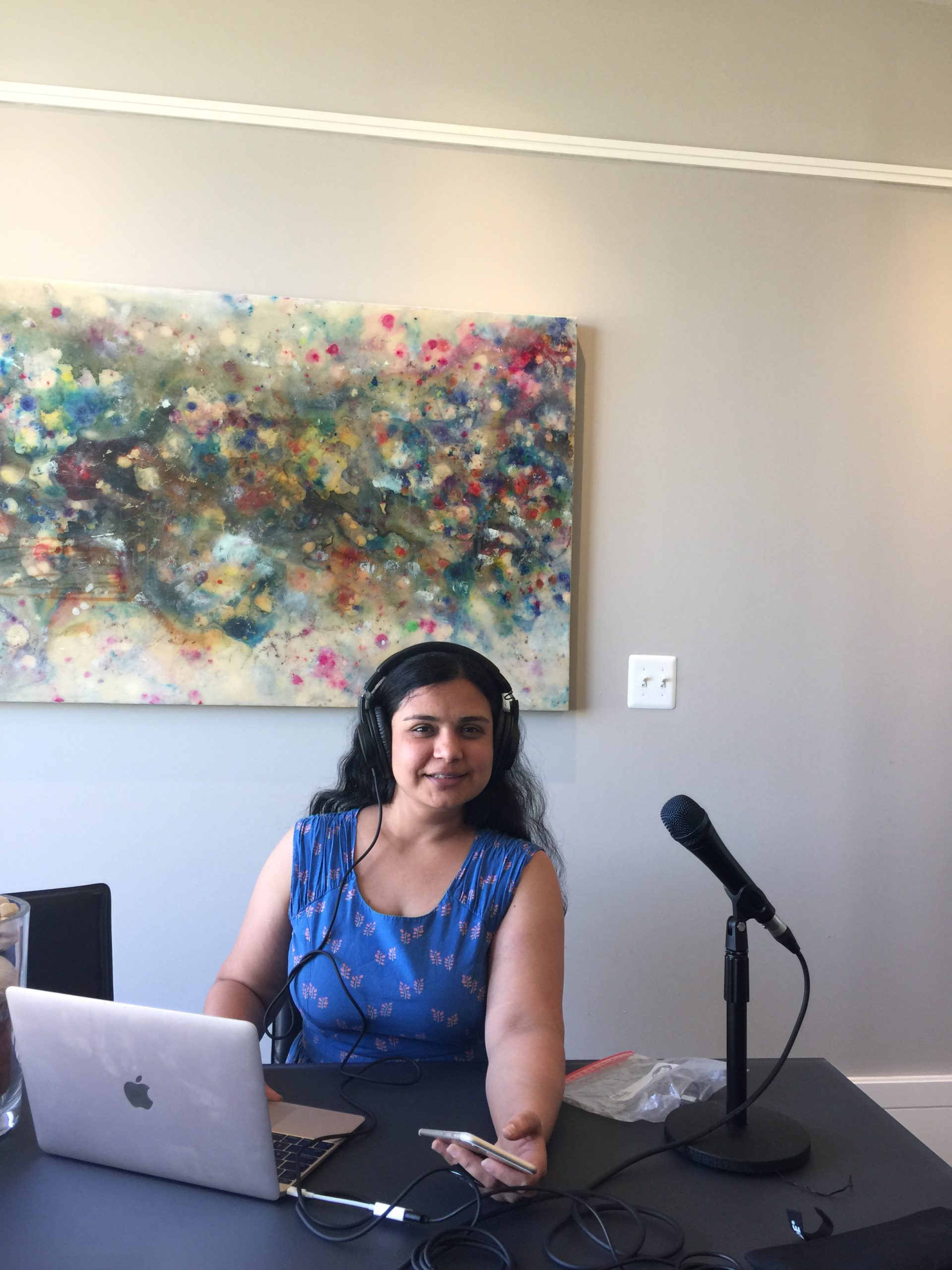
My podcast guest Naseem Sayani invests in women-led companies, and she sees influence at work every day. Capital moves through relationships built over years, often in rooms women have rarely been invited into. Her advice to founders is to lead with value, speak the language that resonates with the audience you need, and place your personal story where it shows why you are the best person to build the business.
That lesson reaches far beyond fundraising. Influencing without authority always means translating your vision into what matters to the person across the table. You can hear our full conversation on the Oneness Leadership Podcast.
Influencing Without Authority Through the Lens of Oneness
Oneness reminds me that influence is connection. When I see the people around me as part of the same whole, I stop pushing and start listening, and people move with me because they feel seen. That is how Buddha led, and it is how every leader can lead, with or without a title.
Influence grows from trust, and I describe what earns it in How to Spot a Trustworthy Leader. I also share how I united a divided team in How to Break Up Workplace Cliques as a Leader.
Where do you lead without a title today? If you want to grow your influence, book a 15-minute call with me. I am also forming a small leadership circle from the leaders I have spoken with on my Oneness Leadership Podcast. Ask me about it when we talk.