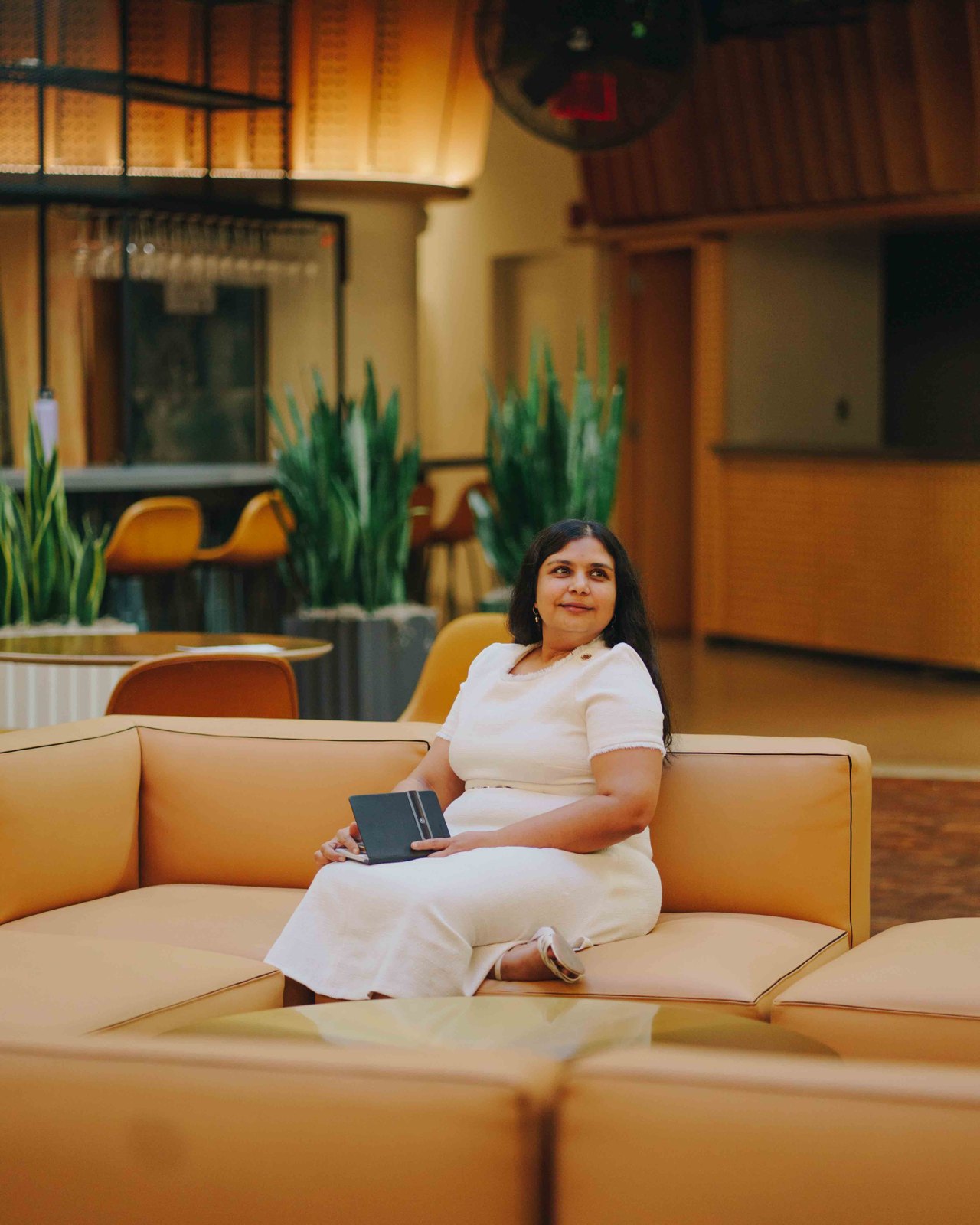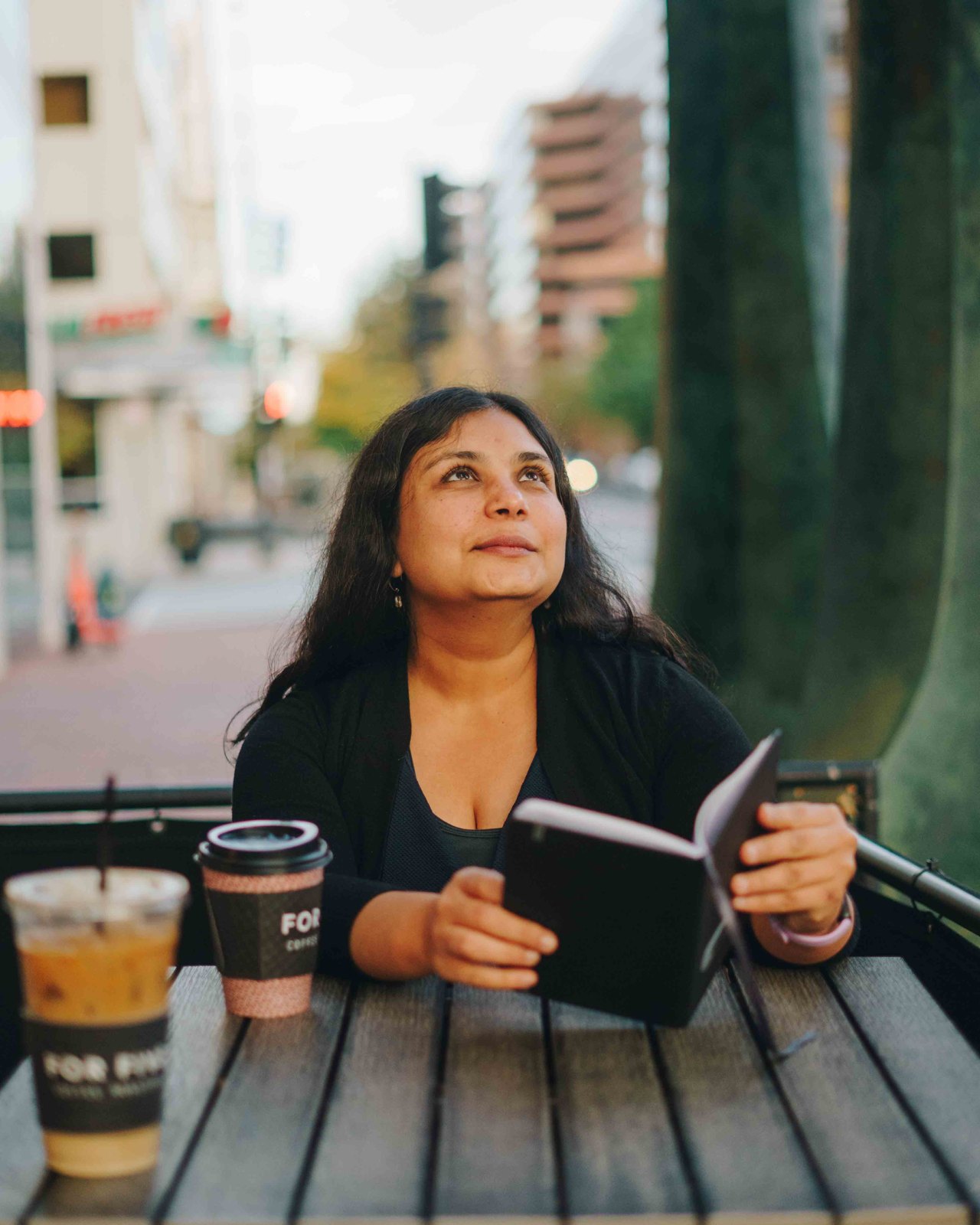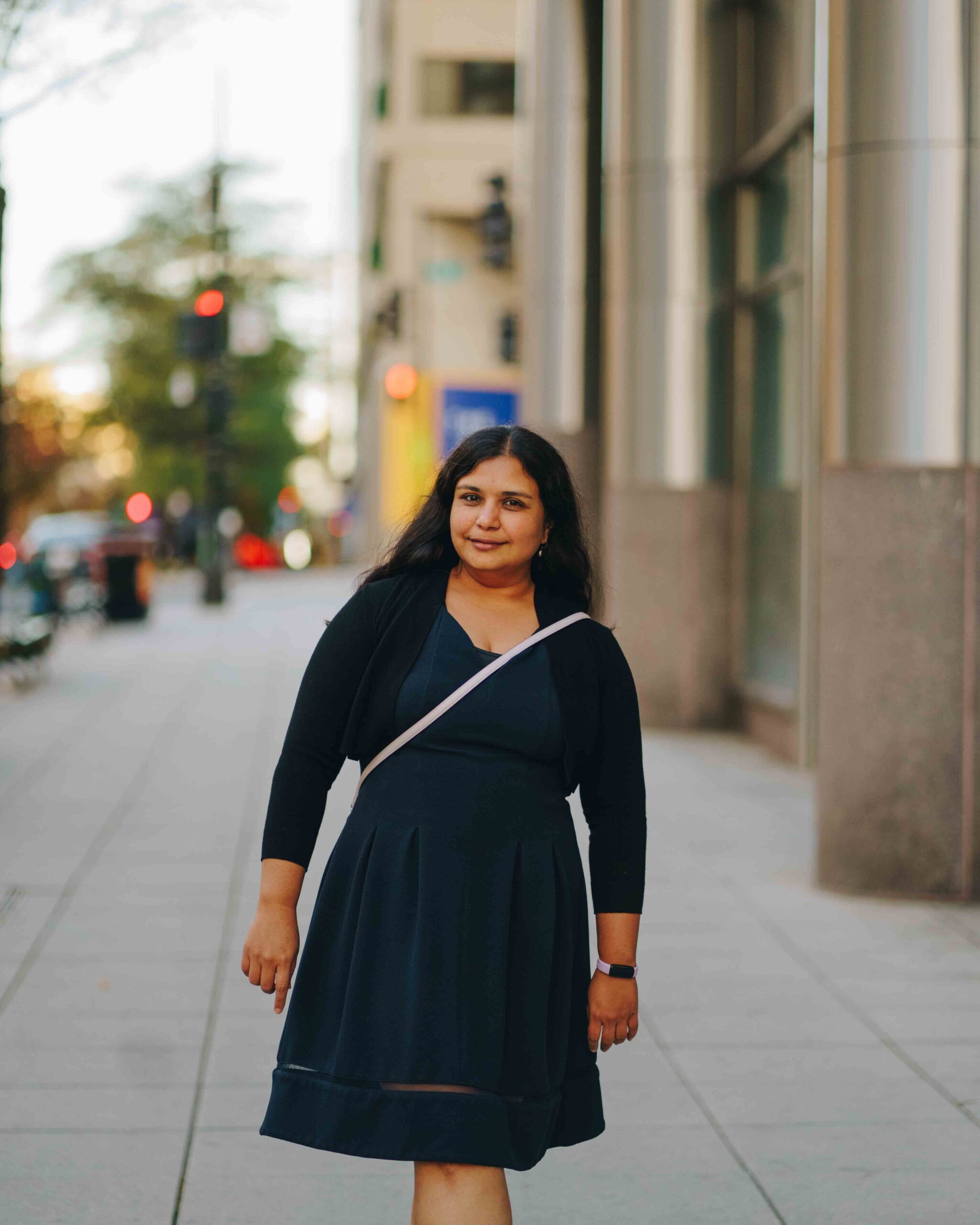

The startup was my mirror. The real story was becoming myself.
I started my company without a grand vision or a perfect plan. I started it because I refused to be broken by someone else’s smallness.
The Uncle Who Changed My Direction
Entrepreneurship was rare in my family. In our circles, a single business failure could end the story. I had one exception: my uncle, a successful businessman in India. He was wise, spiritual, and grounded.
After I got my green card, I stayed with him for four months, and that short stay shifted the course of my life. We had long, soulful conversations about life, leadership, spirituality, the human body, risk, and self-awareness. He introduced me to spirituality, to shifting my mindset, and to taking risks with courage. I started swimming, something that had been on my wish list for so long. He encouraged my curiosity, and in my mind, I made him my role model.
I thought I was searching for a life partner like him, someone with similar depth and wisdom. Life had a different plan. I realized that maybe I was meant to become someone like him. That is when the real journey began.
Building a Product as a First-Time Founder
My early business was modest: consulting and a few tech projects. It represented something huge. I was finally building something that belonged to my own vision of success.
It was humble at first, and I felt like an impostor in rooms full of confident executives: older, mostly male, mostly white, the kind who use big words and speak in absolutes. I was soft-spoken, thoughtful, and spiritual. I also had something else: clarity, presence, and a different kind of power. Slowly, people began to notice.
Clients wanted more than the tech solution. They wanted to talk, to reflect, and to understand the why beneath the what. I realized I was changing how leaders thought about scale, about their people, and about themselves.

The Meeting That Became a Product
One day, I walked into a midsize tech company to automate some reports. By the end of that meeting, the COO had offered me a completely different scope: “Would you design a workflow system for the whole company?” I said yes without blinking, and that yes changed everything. I tell the full story in Saying Yes to Opportunity.
Within four months, we delivered an entire infrastructure shift. It was a professional milestone and a personal one. I stopped questioning whether I belonged in the room. I was rebuilding it.
I was profitable and earning more, and it was still all me: running around, wearing multiple hats, and managing the household like a superwoman.
From Services to Product
Many small businesses could never afford a bespoke system, and I hated seeing them left out. So I pivoted again: from services to product, from custom to scalable. I built a SaaS tool designed for small business workflows that was affordable, intuitive, and human-centered.
That product made it to the final three at a regional innovation pitch competition in Northern Virginia. It was a win, and even more, it was a moment of truth. I was building value, and validation no longer drove me.
What Research Says About Building a Product
My instinct to build for a real, visible need turned out to matter more than I knew. When CB Insights analyzed 101 startup post-mortems, the most common reason founders gave for failure, cited by 42 percent, was the lack of a market need for their product (Fortune). I had watched small businesses struggle without workflow tools, and I built for them.
John Richards on Talking to Customers First
John Richards joined me on the Oneness Leadership Podcast. He helped found InfoSpace, taught entrepreneurship at BYU for 12 years, and brought Lean Startup methods into the program in 2010. Since 2015, his Startup Ignition bootcamp has trained more than 1,000 entrepreneurs. His core advice to founders is simple: validate your idea through customer interviews before you build the product.
He also helped turn Provo, Utah’s struggling fiber network into a Google Fiber operation, and he ran the service for two years. Every chapter of his story comes back to listening to the people you serve. You can hear our full conversation on the Oneness Leadership Podcast.
Try This: Meet the Impostor in Your Body
The next time you walk into a room where you feel like an impostor, pause at the door. Notice where the feeling lives in your body: a tight throat, a fluttering stomach, raised shoulders. Breathe slowly into that spot three times, then remind yourself of one problem you have already solved. Presence returns when the body feels safe.
The Company Was My Mirror
In the middle of all this success, I walked away. The business had ignited my purpose. It burned itself into ashes just as I was leaving a toxic relationship, and that ending became a beginning. It gave me a spark to rise, raw, real, and ready to lead myself as well as my clients, and to scale my soul as well as my systems.
From that fire, a different kind of leader emerged, one who embodies her power with nothing left to prove. From that place, I began again. This time I rose with stories and coaching, building leaders: leaders who, like me, were never handed a blueprint, who want to live their truth, and who are ready to turn their pain into power and rise.
Sometimes the company you build is your mirror. When it is done showing you who you are, it is time to lead something even deeper: yourself.
I share more of this journey in I Bet on Me and This Wasn’t a Divorce. It Was a Rebirth.
What is your work mirroring back to you right now? If you are ready to build something that reflects who you truly are, book a 15-minute call with me. I am also forming a small leadership circle from the leaders I have spoken with on my Oneness Leadership Podcast. Ask me about it when we talk.